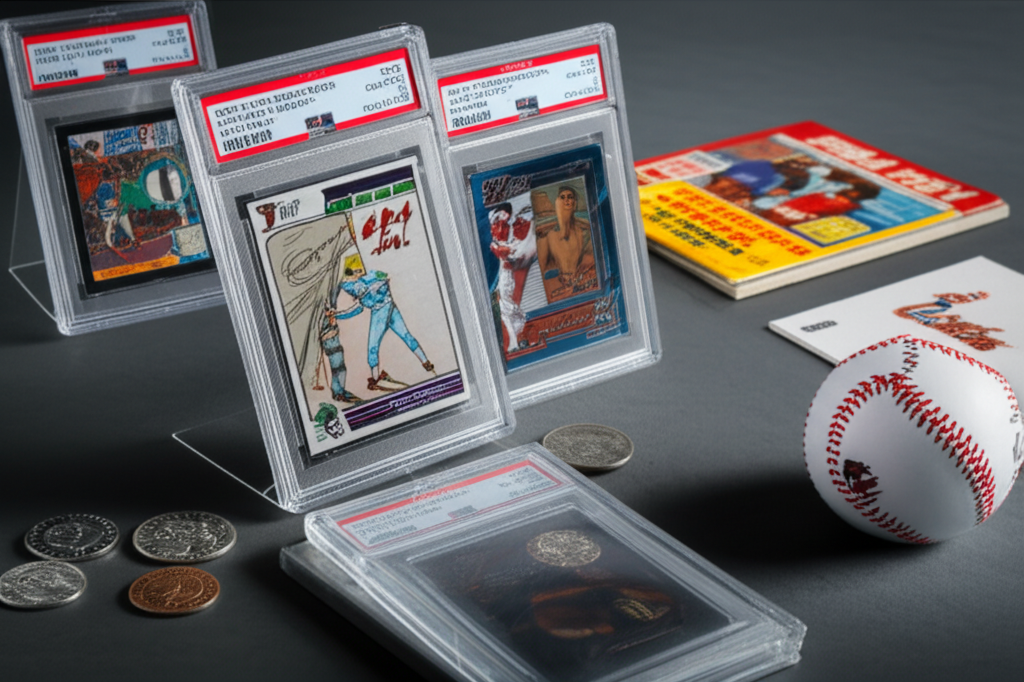
Topps has quietly built one of the more interesting structural wrinkles into its flagship 2026 Series 1 release: Companion Cards, a parallel-adjacent concept that draws a hard line between the standard base issue and an alternate version of the same subject. The distinction matters more than it sounds, and for set collectors and prospectors alike, knowing the difference before ripping boxes is non-negotiable.
Companion Cards are not short-prints. They are not parallels in the traditional foil-board sense. They occupy a separate design lane — same player, same set year, but differentiated through visual and structural elements that Topps has used to create a tiered collecting experience within the base product itself. Think of it as the brand acknowledging that the modern collector wants layers, even in a product that's supposed to be the entry point.
How Companion Cards Differ From Base
The core distinction comes down to card construction and imagery presentation. Base cards in 2026 Topps Series 1 follow the standard horizontal or vertical layout with the flagship design language — clean borders, team color accents, and the classic Topps logo placement that's been refined annually since the brand's 2020s aesthetic overhaul.
Companion Cards shift the framing. They feature alternate photography — in many cases action shots versus portrait crops, or vice versa — and carry a distinct design treatment that makes them immediately identifiable as a separate issue when laid side-by-side with their base counterpart. The card backs also differ, carrying companion-specific copy that contextualizes the alternate image rather than recycling the base card's stat block verbatim.
This isn't Topps' first run at the concept. The structural DNA here echoes the Topps Now companion releases and the short-print variation game the brand has played since at least 2015, but the 2026 execution is more deliberate — it's baked into the product architecture rather than dropped in as a surprise variation hunters discover post-release.
Market Implications for Prospectors
Here's where the calculus gets interesting. Companion Cards, by design, are inserted at a rate that creates scarcity relative to base — but they're not sequentially numbered, which means population data will take weeks to develop after the product hits shelves. That ambiguity is historically where the early money moves.
The comp that comes to mind immediately is the 2020 Topps Series 1 Photo Variation short-prints, where cards of players like Fernando Tatis Jr. and Yordan Alvarez were trading at $40–$120 raw within the first two weeks of release before PSA graded copies started surfacing. PSA 10 examples of the Tatis variation eventually plateaued around $200–$300 depending on timing and market sentiment — modest by superstar standards, but real money for a base-product insert.
The 2026 Companion Cards are positioned similarly. If the insert ratio lands in the 1:4 to 1:8 pack range — which early hobby box break data suggests is plausible — then raw copies of star players will find a market immediately. The question is ceiling. Without serial numbering, the long-term grade premium depends entirely on how aggressively Topps printed the run, and that number won't be clear until PSA and BGS population reports stabilize three to six months post-release.
One variable worth tracking: the checklist overlap between Companion Cards and the base set's rookie card lineup. If 2026 Series 1 carries the RC debut for any of the sport's top prospects — names that will matter in five years — then a Companion Card version of that rookie becomes a legitimate spec target. The base RC is always the anchor, but alternate photography versions of debut cards have historically carried a modest premium once the player breaks out.
Set Collectors vs. Speculators: Different Calculus
For the set collector, Companion Cards represent an expanded completion target. If you're building a master set of 2026 Topps Series 1, these are now part of the checklist — and depending on how Topps structures the official set registry on its platform, they may be required for a complete submission. That's not a complaint, it's just the math of modern flagship collecting. The sets are bigger now. They always are.
For the speculator, the play is simple: pull Companion Cards of the five to ten names that matter most, sleeve them immediately, and make the grading decision in 90 days once you have a clearer read on population. Raw flipping in the first two weeks is viable for high-demand names but carries the usual early-market risk — prices compress fast once case breakers flood the secondary market with supply.
The guide and image gallery Beckett published offers the clearest side-by-side visual reference currently available, and if you're buying blind on the secondary market before you've held one in hand, that resource is the baseline for authentication and identification. Design differences between base and Companion are subtle enough that misidentification on resale platforms is already happening.
Topps built something genuinely useful into its 2026 flagship. Whether the market prices it accordingly is a different question — and one that box breakers will start answering the moment product ships.