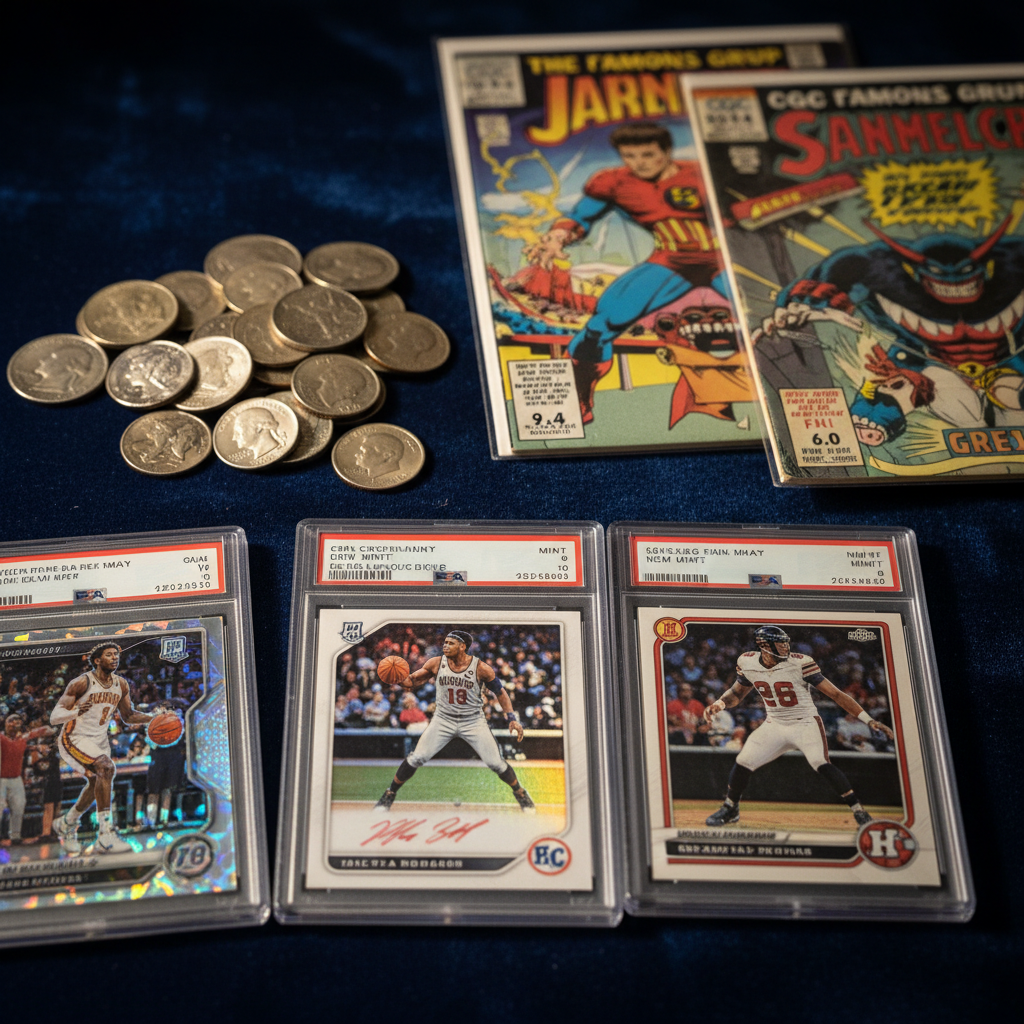
Something that wasn't supposed to happen is happening. Across dealer networks in early 2026, 90% silver coin bags — the so-called junk silver that has reliably traded at or above melt value for decades — are clearing hands at a discount to spot. Not a rounding error. An actual, sustained discount that has rattled stackers and forced a rethink of one of the most reliable assumptions in the bullion market.
The rule was simple and it held for a long time: rising silver prices pull junk silver premiums up with them. Collector demand, stacker demand, and the tactile appeal of pre-1965 U.S. coinage kept 90% bags priced above melt. That relationship has inverted.
How the Floor Disappeared
Junk silver — the shorthand for pre-1965 U.S. dimes, quarters, and half dollars carrying 90% silver content — has always occupied a unique corner of the bullion market. It isn't purely a commodity play. The coins carry numismatic heritage, recognizable faces, and a certain analog charm that modern silver rounds and bars can't replicate. That intangible value is precisely why the below-spot phenomenon is so jarring.
The breakdown appears to be structural rather than a momentary liquidity hiccup. Several forces are converging simultaneously. Silver spot prices have moved sharply enough that the dollar gap between melt value and what buyers will actually pay has widened. At the same time, dealer inventory has grown heavy — a sign that retail demand from the stacker community hasn't kept pace with the metal's price appreciation. When supply builds and buyers hesitate, premiums compress. When premiums go negative, you're in genuinely unusual territory.
For context: during the 2011 silver run-up toward $50 per ounce, junk silver bags were commanding premiums of 10–15% over melt in some markets. The current inversion represents a swing of potentially 15–20 percentage points from peak-premium conditions — a dramatic repricing of the category's perceived desirability.
Who's Selling and Who Isn't Buying
The supply side of this equation is fairly easy to read. Higher spot prices incentivize holders to liquidate. Estate collections, long-held bags purchased in the 1980s and 1990s, and opportunistic sellers who've watched silver rally are all pushing material into the market. That's normal behavior. The problem is the demand side isn't absorbing it at the expected rate.
Part of that is generational. The stacker community that built its identity around $1,000 face value bags of 90% silver — the classic entry point for serious accumulators — has aged. Younger precious metals buyers have gravitated toward silver rounds, fractional gold, and increasingly toward digital alternatives that don't require storage and insurance. The romantic appeal of a Morgan dollar or a Roosevelt dime doesn't land the same way with a 28-year-old building a metals position in 2026.
There's also a pure arithmetic problem. A $1,000 face bag contains roughly 715 troy ounces of silver. At current spot, that's a significant capital commitment — one that requires storage, insurance, and eventual liquidation friction. As silver prices rise, the bag becomes a larger and larger dollar position, and the pool of buyers who can absorb it at a single transaction shrinks.
What the Discount Actually Means for Buyers
Here's the editorial reality: a below-spot discount on 90% silver is, by almost any historical measure, a buying opportunity. The coins aren't going anywhere. The silver content is real. The numismatic floor — the value that comes from circulated pre-1965 coinage simply existing as American monetary history — doesn't evaporate because dealer premiums compress.
Dealers moving material at a discount to spot are essentially paying buyers to take physical silver off their hands. That's not a permanent condition. Markets correct. When retail demand returns — whether driven by inflation anxiety, a fresh wave of stacker interest, or simply a normalization of inventory levels — the premium structure will reassert itself. It always has.
The more interesting question is whether this episode signals something more durable about junk silver's place in the bullion hierarchy. If younger buyers continue to deprioritize 90% coinage in favor of more liquid or more modern formats, the premium recovery may be slower and shallower than historical precedent suggests. The coins will always be worth their melt. Whether they're worth more than their melt — the assumption that defined this market for 60 years — is suddenly an open question.
The last time 90% silver traded at a sustained discount to spot for any meaningful duration, it was the early 1980s, in the aftermath of the Hunt Brothers collapse. That's the company this moment is keeping.