A single letter. That's all it takes to turn a $9 coin into a $1,650 one — and it's exactly what makes mintmark fraud one of the most persistent and damaging scams in numismatics. The 1916 Mercury dime is the textbook case: in G-4, a Philadelphia-struck example is pocket change. The 1916-D, struck at Denver with a mintage of just 264,000, is a genuine rarity. The spread between them, per current PCGS price guide data as of April 2, 2026, is roughly $1,641 in the same grade. That gap is an invitation to fraudsters.
Altered mintmarks have circulated in the hobby for well over a century. The mechanics are straightforward and the motive obvious: take a common coin, add or reposition a mintmark, and sell it as something worth multiples of its true value. The tools have changed — micro-engravers, dental picks, jeweler's epoxy — but the scam itself is as old as the coins it targets.
The Most Targeted Coins and Why
Not every date-mintmark combination is worth faking. Counterfeiters follow the money, which means certain coins appear on the altered-coin watch list with disproportionate frequency.
The 1916-D Mercury dime is the headline example, but it has plenty of company. The 1909-S VDB Lincoln cent — one of the most iconic American coins — commands prices starting around $700 in G-4 according to PCGS, versus a few dollars for the common 1909 VDB Philadelphia issue. The 1914-D Lincoln cent, the 1955 doubled-die obverse, and key-date Buffalo nickels like the 1913-S Type 2 all attract similar attention from bad actors.
Morgan dollars are another hotbed. The 1893-S Morgan, with a mintage of just 100,000 pieces, is one of the most valuable business-strike coins in American numismatics. A circulated example in VG-8 can fetch $20,000 or more at major auction houses like Heritage or Stack's Bowers. That kind of premium makes it a perennial target for mintmark manipulation — typically by altering a more common 1893-O or 1893-P.
- 1916-D Mercury Dime: ~$1,650 in G-4 vs. ~$9 for the Philadelphia issue
- 1909-S VDB Lincoln Cent: ~$700 in G-4 vs. a few dollars for 1909 VDB
- 1893-S Morgan Dollar: $20,000+ in VG-8; one of the most counterfeited Morgans
- 1914-D Lincoln Cent: ~$200+ in G-4; frequently altered from common 1914 cents
- 1913-S Type 2 Buffalo Nickel: Four-figure rarity regularly targeted by mintmark fraud
How to Detect an Altered Mintmark
The first line of defense is magnification. A loupe at 5x to 10x will reveal the telltale signs of tampering that the naked eye simply cannot catch. Legitimate mintmarks on U.S. coins were applied by hand punch prior to the mid-20th century — which means they show natural die flow lines around their base and sit flush within the coin's field. An added or moved mintmark often sits slightly proud of the surface, shows tool marks around its edges, or displays inconsistent luster compared to the surrounding field.
Look for disturbed metal. When a mintmark is removed and replaced, the underlying field is rarely left pristine. Graining, tiny scratches radiating outward, or an unnaturally smooth patch beneath the mark are red flags. Epoxy or other adhesives used to attach a mintmark may show a faint seam under strong raking light.
Positioning matters, too. PCGS and NGC have extensive photographic archives of genuine examples for most key dates. The 1916-D Mercury dime's D mintmark, for instance, has a specific placement relative to the date that counterfeiters frequently get slightly wrong. Cross-referencing against authenticated examples — available through PCGS CoinFacts or the NGC Coin Explorer — is a step that serious buyers should never skip.
Weight and diameter checks catch cruder fakes but won't stop a sophisticated alteration job on a genuine host coin. That's the insidious part: the coin itself is real. Only the mintmark has been tampered with, so basic authentication shortcuts fail entirely.
The Case for Third-Party Grading
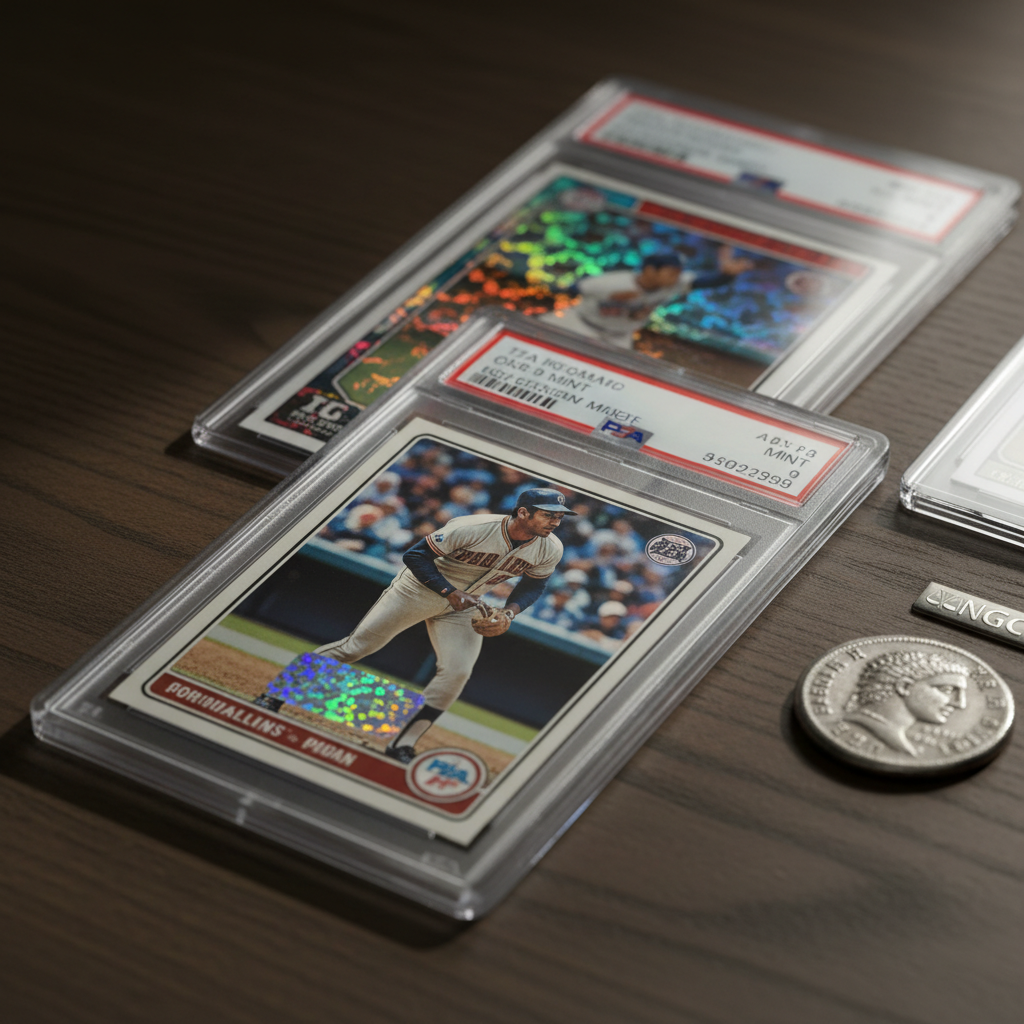
The most reliable protection is also the most obvious: buy coins already certified by PCGS or NGC. Both services have dedicated authentication teams trained specifically to identify altered mintmarks, and both will body-bag a coin — returning it in a non-gradable holder — if evidence of tampering is found. A slabbed 1916-D Mercury dime in a genuine PCGS or NGC holder is not a guarantee of perfection, but it is a guarantee that professional eyes have examined it for exactly this kind of fraud.
Raw coins at shows, on eBay, or through private sales carry real risk. The price differential on key-date coins is large enough that even a convincing fake sold at a modest discount to market value still represents a substantial payday for the seller and a devastating loss for the buyer. A $1,200 raw 1916-D that turns out to be an altered Philadelphia strike isn't a bargain — it's a $1,191 mistake.
The mintmark is one of the smallest details on any coin. It's also, in many cases, the most expensive one. Treat it accordingly.