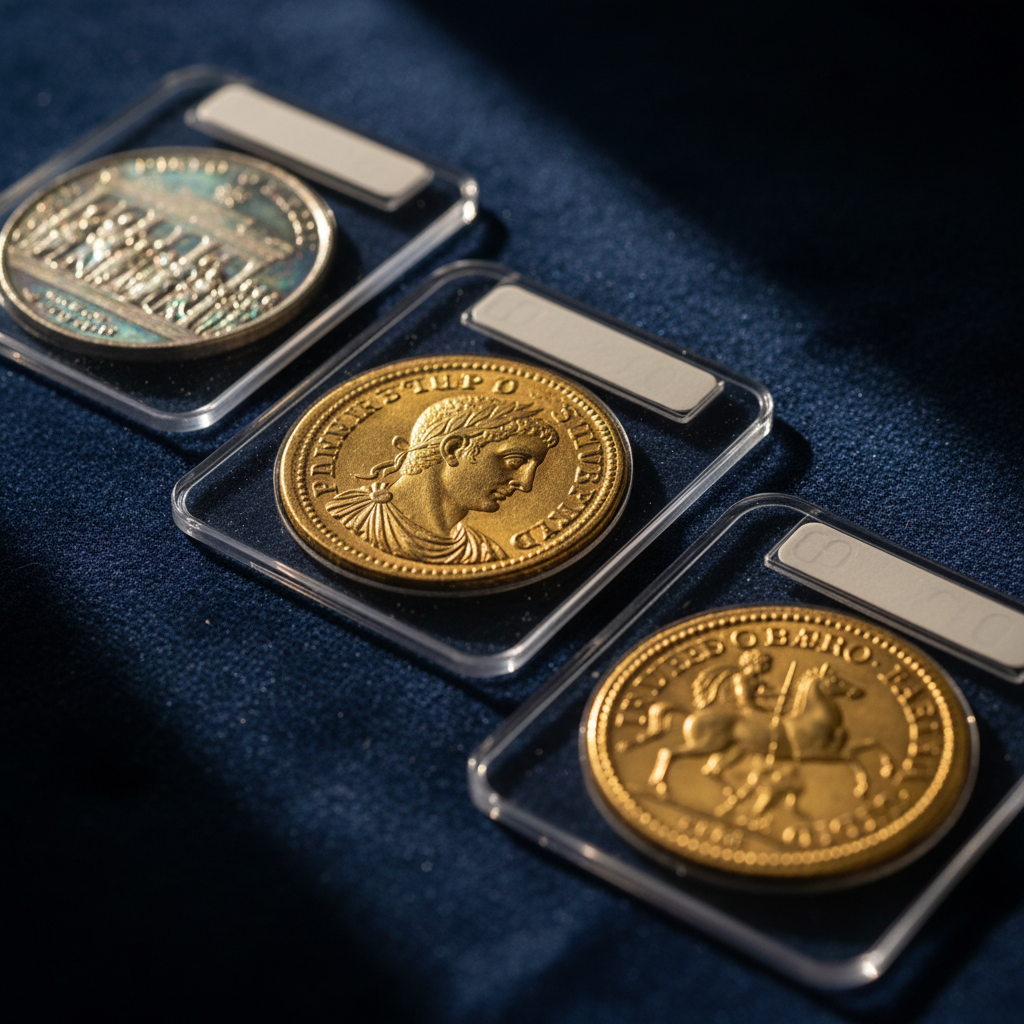
Atlas Numismatics has dropped one of its more substantial inventory refreshes of the year, posting 423 new coins, medals, and tokens to its fixed-price list — a format that separates the firm from the auction-house frenzy and puts serious material directly in collectors' hands without a bidding war.
For a numismatic dealer operating in fixed-price territory, a 423-lot addition in a single update is significant. Most boutique firms drip inventory in batches of 50 to 100. A release this size signals either aggressive acquisition activity, a major collection coming to market through private channels, or both.
Why Fixed-Price Lists Still Matter in an Auction-Dominated Market
The collectibles market — coins included — has tilted heavily toward live and online auction formats over the past decade. Heritage Auctions, Stack's Bowers, and Goldberg Coins have all expanded their auction calendars, and platforms like GreatCollections have democratized the bidding process for mid-tier material. In that environment, the fixed-price list can feel like a relic.
It isn't. For the right buyer, it's a feature, not a bug.
Fixed-price inventory means no buyer's premium — typically 20% to 25% at major auction houses — no sniping risk, and no waiting weeks for a lot to cross the block. A collector who knows exactly what they want can acquire it immediately at a known cost. That efficiency has real value, particularly for type collectors building registry sets or dealers looking to fill specific holes in client want lists.
Atlas has built its reputation on exactly this model: curated, high-end material priced with the kind of confidence that comes from deep market knowledge. The firm's fixed-price lists have historically skewed toward ancient coinage, world rarities, and U.S. issues with genuine scarcity — not the generic bullion and common-date material that clogs lesser dealers' websites.
The Scope of This Release
The new inventory spans ancient to modern issues, which is about as wide a chronological window as numismatics allows. That range — from Greek and Roman coinage through 20th-century world issues and U.S. type coins — reflects the breadth of Atlas's sourcing network rather than a scattershot approach to inventory building.
Several pieces in the update are described as exceptional rarities. In numismatic dealer parlance, that phrase gets overused. At Atlas, it tends to mean something more specific: coins with meaningful population data, significant historical provenance, or condition rarity that justifies premium placement in a fixed-price context rather than consignment to auction where the outcome is uncertain.
The fixed-price model also carries an implicit statement about valuation confidence. When a dealer sends material to Heritage or Stack's Bowers, they're partly outsourcing price discovery. When they price it themselves and post it publicly, they're putting their market read on record. Atlas's willingness to do that with 423 pieces simultaneously is a statement of conviction about current market conditions.
Reading the Market Signal
Numismatic market conditions in the current cycle are nuanced. U.S. type coin demand remains strong at the top of the grade spectrum — PCGS and NGC Mint State 65 and above on classic issues continue to attract competitive interest — while mid-grade common material has softened from its pandemic-era highs. Ancient coins, meanwhile, have held up well, supported by a collector base that skews toward serious students of history rather than speculative flippers.
A large fixed-price drop from a firm like Atlas reads as a vote of confidence in near-term demand. Dealers don't post 423 pieces at retail-equivalent pricing if they think the market is about to roll over. They consign to auction, hedge their exposure, and wait. The direct-sale approach implies Atlas expects buyers to be active — and that the material is priced to move without leaving money on the table.
For collectors who've been watching the firm's inventory, now is the moment to check the new list carefully. Material at this level, priced by a firm with Atlas's track record, doesn't sit long. The best pieces in a release like this typically clear within days, not weeks — and unlike an auction, there's no second chance once the listing comes down.