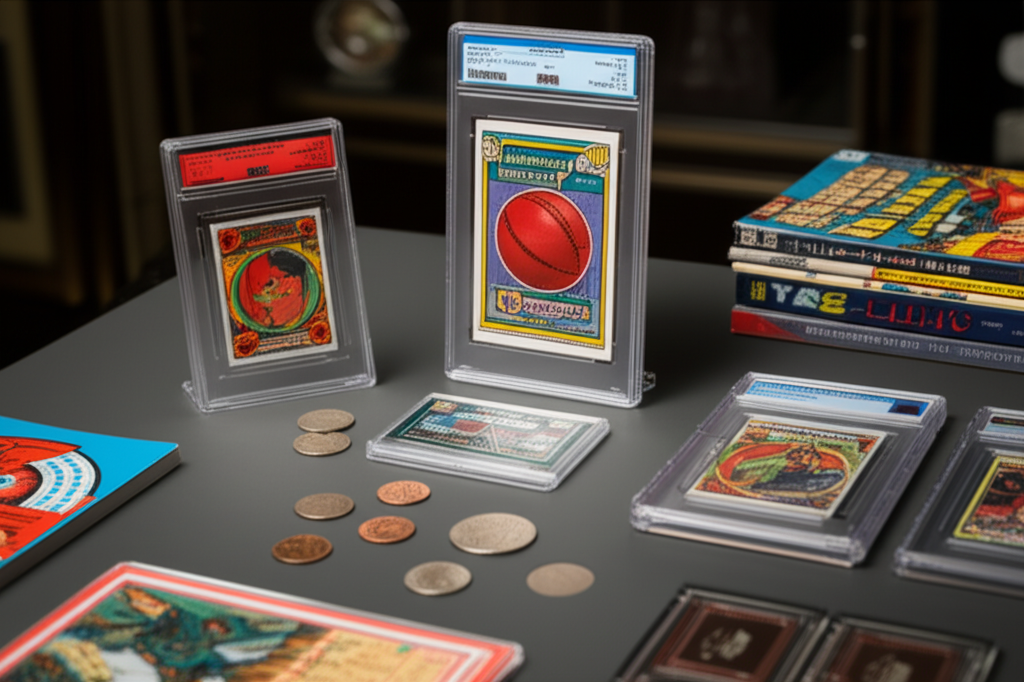
Every week, the market tells a story. Beckett's Hot/Cold list for the week of March 9, 2026 is the hobby's most-watched temperature gauge — a snapshot of which players, products, and cardboard are moving money and which are cooling fast. For serious collectors and dealers, it's less a curiosity and more a trading signal.
What the List Actually Measures
Beckett's methodology pulls from a combination of recent sale velocity, secondary market price movement, and broader sports news driving collector demand. A player doesn't land on the Hot side because someone likes them — they land there because the raw transaction data supports it. That distinction matters enormously when you're deciding whether to hold or flip.
The week of March 9 arrives at a particularly loaded moment in the sports calendar. Spring training is deep enough that breakout performers are generating real buzz, NBA trade deadline fallout is still reshaping roster narratives, and the NFL combine has scouts and speculators alike reassessing rookie card targets. Any one of those storylines can move a player's cardboard 20 to 40 percent in a single week. All three running simultaneously creates genuine volatility.
That volatility cuts both ways. The collectors who get hurt are the ones who chase Heat without understanding why something is hot — whether it's a sustainable performance trend or a one-week spike driven by a viral highlight. The ones who profit are the ones who read the list as a lagging indicator and position ahead of the next move.
Reading the Cold Side Without Panic
The Cold column deserves more analytical respect than it typically gets. A player appearing on the Cold side of a weekly list is not necessarily a sell signal — context is everything. A veteran star cooling after a hot streak may simply be reverting to mean. A rookie who flashes cold after a hot debut might be experiencing the classic hype correction that creates re-entry opportunities for patient buyers.
Historically, some of the hobby's best long-term buys have come from players sitting in the Cold column during a rough patch. Consider how many times a cornerstone card has dipped 15 to 25 percent during a slump only to recover fully once performance stabilized. The weekly Hot/Cold list captures sentiment, not destiny.
For graded card holders specifically, short-term sentiment shifts matter less than they do for raw card flippers. A PSA 10 of a blue-chip player doesn't lose its population-driven premium because of one bad week. But for dealers carrying significant raw inventory, the Cold column is a genuine inventory management signal worth taking seriously.
How to Use This Data as a Collector
The smartest use of the Beckett Hot/Cold list isn't as a buy-sell trigger. It's as a market awareness tool — a weekly check-in on where collector attention is flowing and where it's draining.
Cross-reference the Hot players against recent auction results on Heritage, Goldin, or PWCC. If a player is running hot on the list but their recent PSA 10 comps haven't moved yet, that's a potential arbitrage window. If the comps have already surged well past historical averages, you may be looking at the tail end of a spike rather than the beginning of a sustained run.
The Cold side deserves the same treatment. Pull the last 90 days of sales data on a Cold player's key cards before making any decisions. If prices have already corrected significantly and the player's underlying fundamentals — contract status, age, statistical trajectory — remain intact, the Cold designation might be your entry point, not your exit signal.
Weekly lists like this one are most powerful when stacked over time. A player who appears Hot for three consecutive weeks is telling you something structurally different than a one-week spike. The hobby rewards pattern recognition over reactive trading, and Beckett's consistency in publishing this data makes longitudinal tracking genuinely useful for anyone willing to do the work.
The market doesn't wait. Neither should your research.