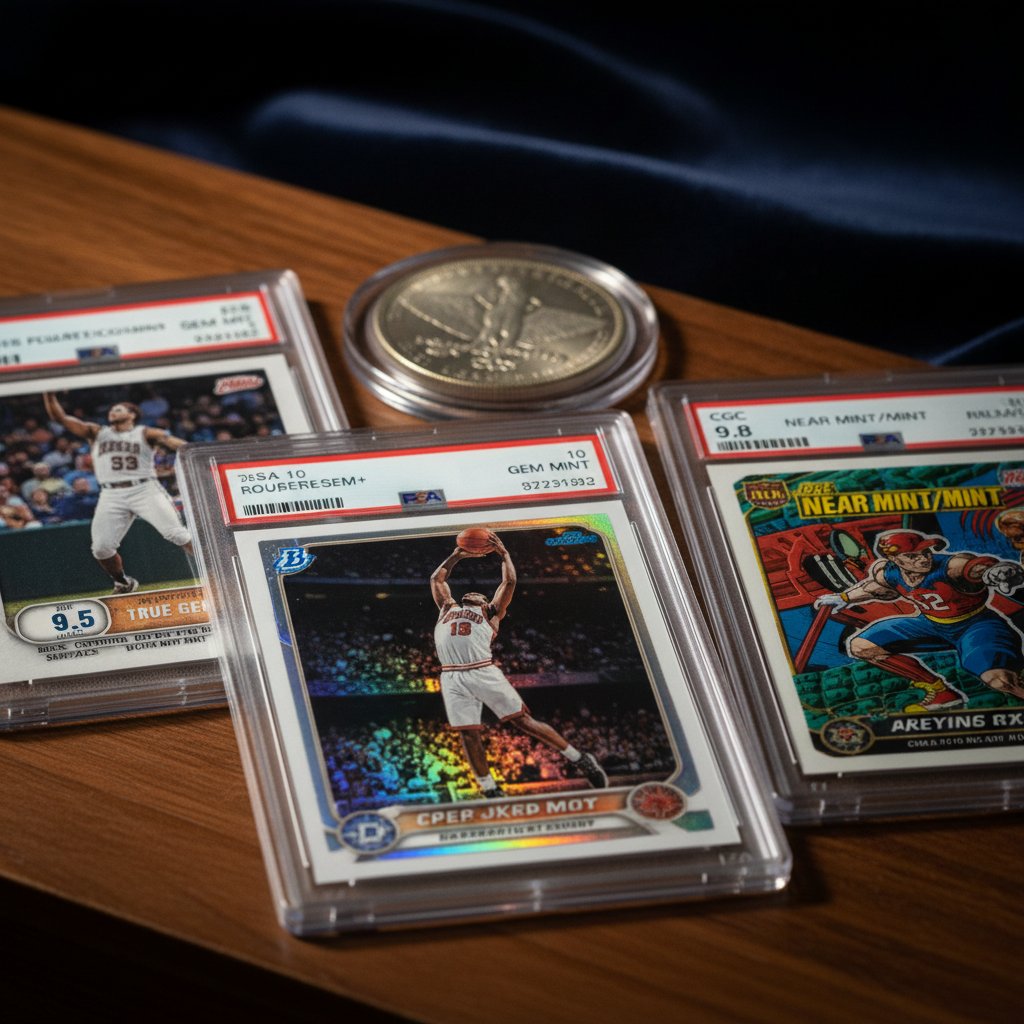
Multi-dealer antique centers don't get enough credit. While the auction house headlines and graded card records dominate the collector conversation, it's the sprawling, vendor-packed shops — the ones with 30 booths and a lifetime of accumulated inventory — where serious collectors still find the deals that matter.
Benningtons Antique Center is exactly that kind of operation. A 30-vendor collective, the center brings together a wide cross-section of dealers under a single roof, offering what the trade calls a broad mixed market: the kind of floor where a Depression-era glass collector and a vintage toy hunter can both walk out satisfied on the same afternoon.
Why the Multi-Dealer Model Still Works
The multi-dealer antique mall format has faced real headwinds over the past decade. Online platforms — eBay, Etsy, Ruby Lane, and increasingly specialized marketplaces — pulled casual sellers away from physical booth rentals. Foot traffic dipped. Some regional centers shuttered entirely.
And yet, the format persists. More than persists — in certain markets, it's thriving. The reason is straightforward: discovery. No algorithm surfaces the same experience as walking past 30 different booths with 30 different curatorial sensibilities. A dealer specializing in Victorian jewelry isn't going to tag their inventory the same way a search engine expects. The serendipity is the point.
For dealers, the economics make sense too. Booth rental in a shared space carries significantly lower overhead than operating a standalone storefront. That savings can translate into sharper pricing — which is why experienced pickers and resellers often work multi-dealer centers into their regular circuit.
What 30 Vendors Actually Means for Inventory Depth
Thirty vendors is a meaningful number. It's not a boutique with six curated booths. It's not a warehouse liquidator either. At that scale, a center typically develops enough category depth to attract targeted collectors — people who drive an hour for the right booth, not just a browse.
The inventory breadth at a shop like Benningtons spans the full antiques and collectibles spectrum. That could mean mid-century furniture alongside vintage advertising tins, Depression glass next to sports memorabilia, primitives sharing wall space with costume jewelry. The mix depends entirely on who holds the booths — and that composition shifts over time as vendors rotate in and out.
That fluidity is both the challenge and the appeal. A booth that carried nothing but political ephemera last spring might pivot to carnival glass by fall. Regular visitors know to return often. The floor is never quite the same twice.
The Collector's Case for Showing Up in Person
There's a persistent myth in the modern collecting community that everything worth buying has already been picked clean — that the internet has made physical sourcing obsolete. The data doesn't support that conclusion.
Ungraded, unattributed, and misidentified material still moves through multi-dealer centers at prices that bear no relationship to actual market value. A dealer specializing in glassware may not recognize a rare sports card buried in a miscellaneous box. A furniture vendor isn't necessarily going to authenticate the vintage watch sitting in a display case alongside costume pieces. That information asymmetry is real, and it runs in both directions — meaning patient, knowledgeable collectors can still source meaningfully below market.
The flip side is equally true. Sellers occasionally overprice based on incomplete research or emotional attachment to a piece. Walking away is always an option. That negotiation dynamic — present in every multi-dealer center — simply doesn't exist on a fixed-price online listing.
Benningtons operates as a reminder that the physical collecting ecosystem hasn't been replaced. It's been supplemented. The collectors who understand both channels — who can evaluate a piece in hand and cross-reference it against current auction comps — are the ones consistently finding value. The rest are just scrolling.