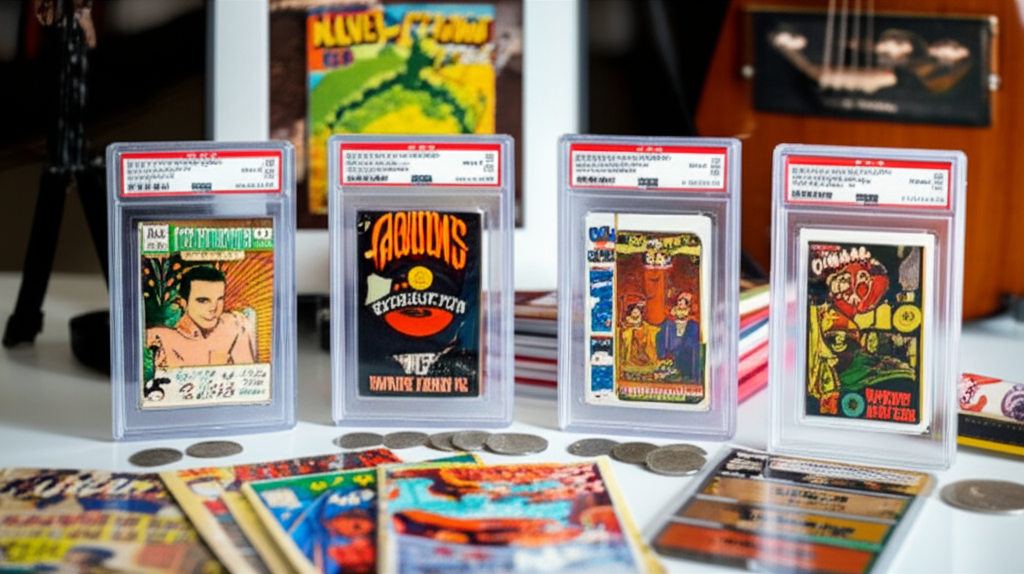
Show season has a way of surfacing everything at once — the deals, the headaches, and the outright fraud. Tony's back from the floor this week with a dispatch that covers all three, and the fake Kaboom situation alone is worth the read.
Counterfeit Kabooms Are Getting Bolder
Kaboom cards — the ultra-short-print inserts from Panini's Donruss and related products — have been a target for counterfeiters for a few years now, but what's circulating at shows recently represents a meaningful step up in production quality. The fakes being spotted aren't the blurry, off-color reprints that even a casual collector would catch. These are sharper. The foil is closer. And they're being moved in show environments where the lighting is bad and the pace is fast.
That's a deliberate strategy. Show floors are not grading rooms. Sellers know that a $400 card examined for 15 seconds under fluorescent light is a very different proposition than one scrutinized under a loupe at a desk. The Kaboom market has always carried a premium precisely because of scarcity — many of these cards have PSA populations in the single digits — and that scarcity is exactly what makes them worth faking.
The practical advice here is blunt: if you're buying a raw Kaboom at a show, you're taking on real risk. The grading submission cost is a rounding error compared to the spread between a real copy and a worthless fake. Submit everything, or buy slabs only.
Bulk Buying Opportunities — and What They Signal
On the more optimistic side of the ledger, Tony flagged a couple of bulk buying opportunities that came across the table during the week — the kind where a dealer or estate is moving inventory at below-market rates just to clear the weight. These situations tend to cluster around specific market conditions: either the seller needs liquidity fast, or they've lost confidence in a segment and want out before the floor drops further.
Right now, both are happening simultaneously in parts of the modern card market. The 2020–2021 boom-era product that got cracked and graded at peak hype is sitting in dealer inventory at grades that no longer justify what was paid for submission. A PSA 9 on a 2021 Prizm base rookie that cost $35 to grade and sold for $180 at peak is now a $40 card. Dealers who loaded up are quietly looking for exits.
For buyers with patience and storage, these bulk moments are genuinely interesting. The key is knowing which cards in a bulk lot have durable demand versus which ones were purely momentum plays. Vintage mixed in with modern? Look harder. All-modern Prizm base from 2021? Tread carefully.
The Sticky Slab Problem Nobody Talks About
The third issue from Tony's week is less dramatic but more insidious: sticky slabs. Specifically, slabs where label residue, improper storage, or humidity exposure has caused the internal card to shift or the case surface to degrade in ways that affect both presentation and resale value.
This is a storage and handling issue that the hobby underdiscusses. Collectors spend significant money getting cards graded — PSA standard submissions currently run $25 per card at the base tier, with express and walk-through tiers climbing well above that — and then store the resulting slabs in conditions that quietly damage them. A sticky or clouded slab isn't just an aesthetic problem. It raises authenticity questions at resale, and some auction platforms will flag or decline slabs with visible case damage regardless of the grade inside.
The fix is straightforward but requires discipline: climate-controlled storage, no rubber bands around slabs, no stacking heavy cases directly on top of each other for extended periods. BGS and PSA cases are not indestructible. They're polycarbonate shells, and they respond to heat, pressure, and chemical exposure the same way any plastic does.
Tony's week is a useful reminder that the show floor is still the hobby's best real-time data feed — not for prices, but for what's actually moving, what's being faked, and where the soft spots in the market are. The Kaboom counterfeits are the headline, but the bulk inventory quietly changing hands may tell the longer story about where modern card values are actually headed.