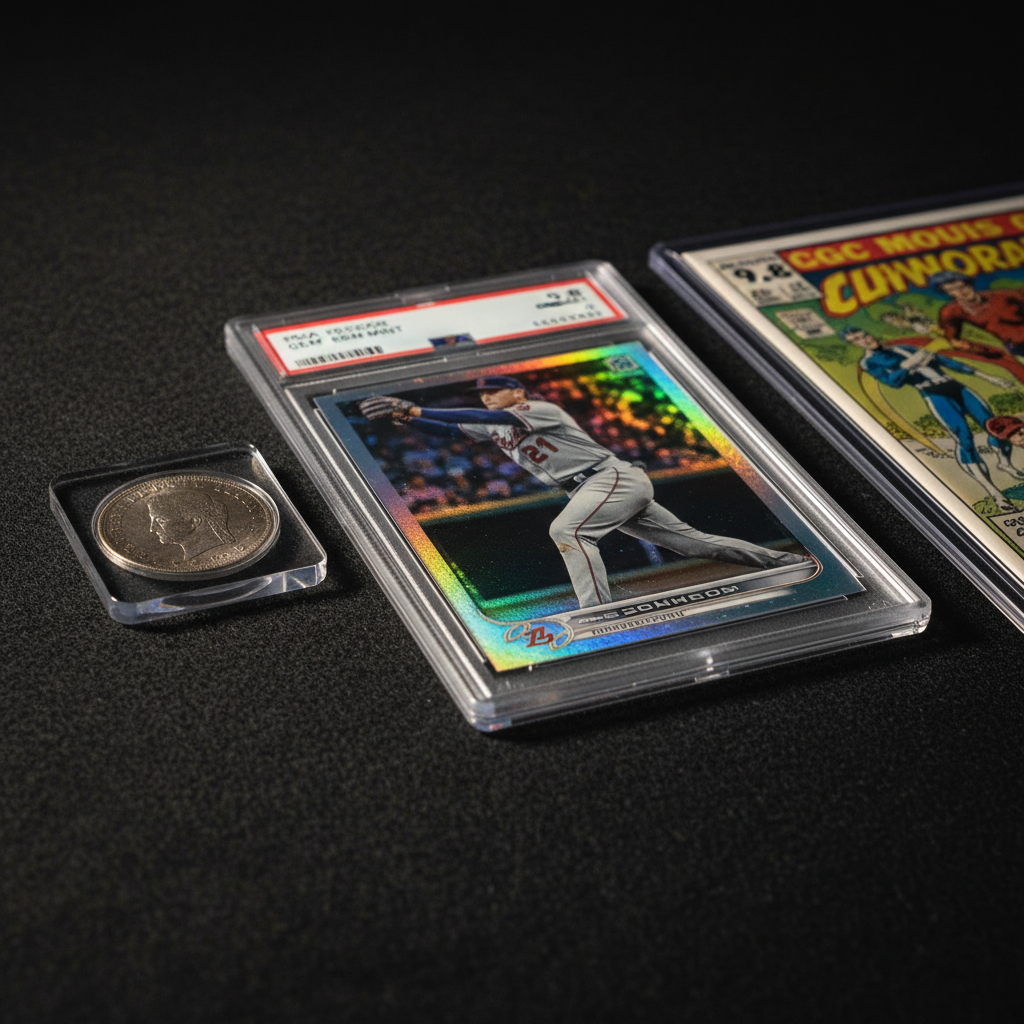
Spring doesn't just bring warmer weather — it reopens the single most unpredictable marketplace in collectibles. Flea markets, estate sales, and outdoor antique fairs are back in full swing, and for serious collectors, that means the next few months represent the best window of the year to find undervalued material before it gets picked clean by dealers or routed straight to auction.
The calculus hasn't changed much, but the stakes have. With Heritage Auctions moving record volume across categories and platforms like eBay and PWCC driving real-time price discovery to every corner of the hobby, the days of a dealer not knowing what a 1952 Topps Mickey Mantle is worth are largely gone. What hasn't disappeared is the gap between what casual sellers think they have and what they actually have — and that gap is where fortunes are still made.
The Hunt Has a New Competitive Landscape
The romanticized image of flipping through a dusty box and pulling a PSA 9 rookie for $5 still happens. Rarely, but it happens. More often, the real opportunity in 2025 is in categories that remain genuinely under-researched — pre-war tobacco cards, regional sports issues, non-sport sets from the 1950s and '60s, and vintage board games with intact components. These are the segments where even experienced dealers hesitate, and hesitation creates price inefficiency.
Coins are another story entirely. With PCGS and NGC population reports freely accessible on mobile, a seller at a flea market table has the same data you do. The edge there comes from condition assessment — recognizing a coin that's been cleaned, artificially toned, or misattributed. That skill takes years to develop and can't be Googled at the table.
Vintage toys have quietly become one of the most competitive flea market categories. The MEGO and Kenner markets have been on a sustained run, and a carded original Kenner Star Wars figure in legitimate C-8 condition can clear $500 to several thousand dollars depending on the character and card variant. The problem: reproductions and recarded figures are sophisticated enough to fool non-specialists. If you're hunting vintage toys seriously, know your card back variations cold before you spend a dollar.
Making Room Is Part of the Strategy
Every experienced collector knows the pre-season ritual: the audit. What came in last year that hasn't appreciated, hasn't been enjoyed, and is taking up space that could be occupied by something better? The hunt mentality only works if you're disciplined about the other side of the equation.
The current market offers reasonable exit ramps in several categories. Graded modern sports cards — particularly 2018-2020 era product that rode the pandemic boom — have corrected sharply from their highs, but there's still liquidity for high-grade examples of legitimate stars. A PSA 10 2018 Topps Update Shohei Ohtani rookie was trading above $800 at peak; it's settled into a more honest range around $300-$400, with real buyer interest still present. That's a workable comp if you need to move product and reallocate capital toward something you find at a flea market in May.
Comics present a similar dynamic. CGC-graded silver age keys have held relatively well compared to the modern spec books that collapsed after 2021. If you're sitting on raw mid-grade silver age material, this spring's convention circuit and outdoor markets are a reasonable place to either sell it to a dealer or trade into something more compelling.
What the Best Hunters Actually Do Differently
The collectors who consistently find the best material aren't just lucky. They show up early — often before official opening at estate sales, which in many states allows early-bird access for a fee. They build relationships with organizers and regular dealers so they get the call when something unusual comes in. And they specialize narrowly enough that they can make a confident decision in thirty seconds without pulling out their phone.
That last point matters more than people admit. Hesitation at a flea market table is expensive. A dealer who spots you researching on your phone knows you're uncertain, and uncertain buyers don't get the best prices. The collectors who win the hunt are the ones who've done their homework in the off-season so they can act with conviction in the moment.
The season is open. The inventory is out there. The question is whether you've done enough work to recognize it when it's sitting in front of you for three dollars.