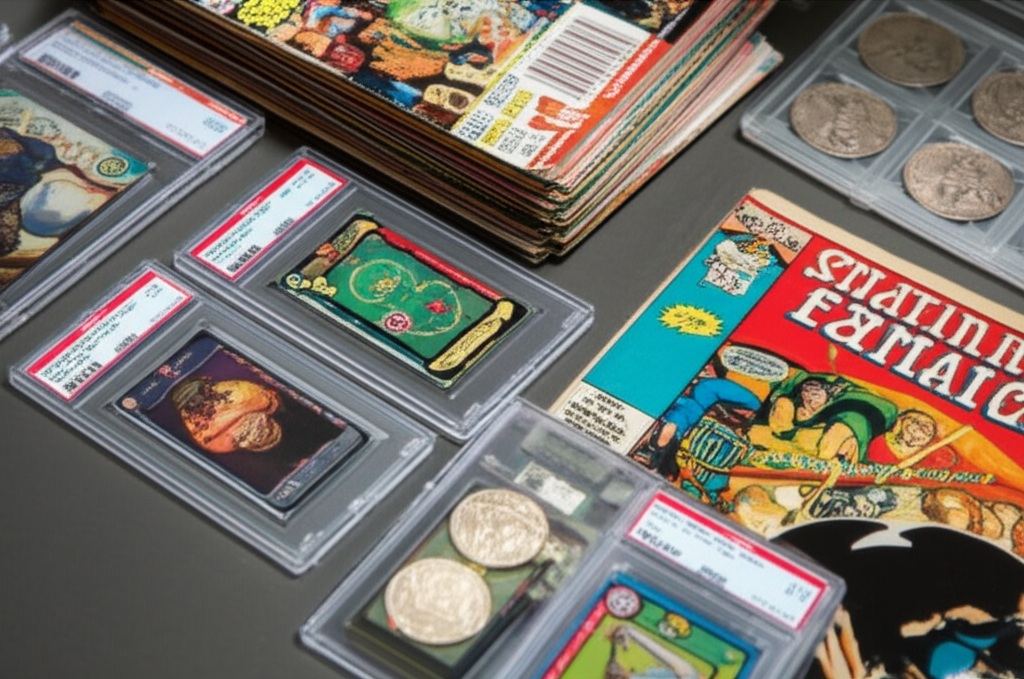
February 13, 2026 was a stacked day for Flesh and Blood collectors. Legend Story Studios didn't trickle out product — they launched Silver Age Chapter 1, Silver Age Chapter 2, and the booster set Compendium of Rathe all at once, hitting card shop shelves in a coordinated triple release that's rare even by modern TCG standards. Whether that's a bold market play or a logistical headache for local game stores is a conversation worth having.
For context: simultaneous multi-set drops are a high-risk, high-reward move. They flood the secondary market early, compressing the window where sealed product holds a premium. But they also generate a concentrated burst of community engagement — pack openings, deck-building content, and tournament prep all collide in the same news cycle. Legend Story Studios is clearly betting on momentum over margin.
What's in the Sets
The Silver Age Chapter 1 and Chapter 2 releases continue the ongoing narrative arcs that have defined Flesh and Blood's competitive identity since its early Welcome to Rathe days. Both sets lean into the game's hallmark emphasis on layered strategy — not the coin-flip aggression that dominates some rival TCGs, but deliberate, resource-managed gameplay that rewards reps and preparation.
Compendium of Rathe operates as a companion booster, expanding the deck-building toolkit with new cards tied to the Rathe storyline. The artwork across all three sets continues the franchise's reputation for high production quality — a factor that has historically driven collector demand independent of gameplay utility. In Flesh and Blood, foil treatments and cold foil variants have commanded serious premiums on the secondary market. The 1st Edition Cold Foil Illusionist Lexi from Tales of Aria, for example, has traded north of $400 in near-mint condition, and select cold foils from Welcome to Rathe have crossed $1,000 in PSA 10.
With three new sets entering the ecosystem simultaneously, the early grading rush will be worth watching. PSA and BGS have both expanded their TCG grading pipelines significantly over the past three years, and Flesh and Blood — while still a smaller population than Magic: The Gathering or Pokémon — has a dedicated submitter base that moves quickly on new releases.
The Collector Angle on a Simultaneous Drop
Here's the tension that serious collectors should sit with: three sets at once means diluted scarcity signals. When product is abundant at launch, it's harder to identify which chase cards will hold long-term value versus which ones are just tournament staples that rotate out of relevance. The Flesh and Blood meta shifts fast, and cards that define a format one quarter can crater the next.
That said, Flesh and Blood has demonstrated something genuinely unusual for a modern TCG — a collector base that values the cards aesthetically, not just competitively. The game's lore-driven artwork and limited print runs on premium variants have created a secondary market layer that doesn't entirely track with tournament results. That's a healthier dynamic for long-term collectibility.
The sets to watch closely:
- Silver Age Chapter 1 — first chapter releases in a new arc historically anchor the most valuable long-term chase cards
- Silver Age Chapter 2 — companion sets often contain sleeper cards that the market undervalues at launch
- Compendium of Rathe — booster companions tied to established storylines can spike sharply when lore-significant cards surface
For collectors prioritizing graded specimens, the standard advice applies: move on 1st Edition copies quickly, focus on cold foil and rainbow foil variants, and target cards tied to hero classes with established competitive and narrative relevance. Population reports on new Flesh and Blood releases tend to be thin for the first 60–90 days, which is exactly the window where a PSA 10 carries the most premium before the pop count catches up.
Where FAB Stands in the TCG Hierarchy
Flesh and Blood isn't Magic. It isn't Pokémon. It doesn't need to be. The game has carved out a legitimate position as the TCG of choice for players who want competitive depth without the pay-to-win ceiling that defines some of its competitors. That reputation has translated into a collector market that, while smaller in absolute dollar volume, is remarkably engaged and increasingly sophisticated.
Heritage Auctions and Goldin have both handled high-grade Flesh and Blood lots in recent years, a signal that the broader collectibles infrastructure is taking the category seriously. The February 13 triple launch won't move the needle on that institutional recognition overnight — but a strong set of chase cards, a healthy tournament season, and clean population data six months from now could make Silver Age Chapter 1 look very interesting in retrospect.
Three sets, one day. The market will sort out what it means. It usually does.