Three centuries of conquest, displacement, and cultural collision have left Florida with one of the most layered collectibles markets in the country — and as the United States counts down to its 250th anniversary in 2026, that depth is finally getting the attention it deserves.
Florida isn't just a retirement corridor for snowbirds hauling Depression glass. It's a state whose material culture stretches from pre-Columbian Seminole and Calusa artifacts through Spanish colonial silver, Civil War-era relics, and the mid-century Americana that defines so much of what Heritage Auctions and Morphy's move every quarter. The semiquincentennial is accelerating collector and institutional interest in all of it.
The Layers Beneath the Surface
Spanish colonization of Florida began in 1565 with the founding of St. Augustine — the oldest continuously occupied European settlement in the continental United States. That timeline matters enormously to the antiques market. Spanish colonial artifacts with documented Florida provenance, including majolica ceramics, colonial-era coins, and ecclesiastical silver, consistently command premiums over comparable pieces from later American periods.
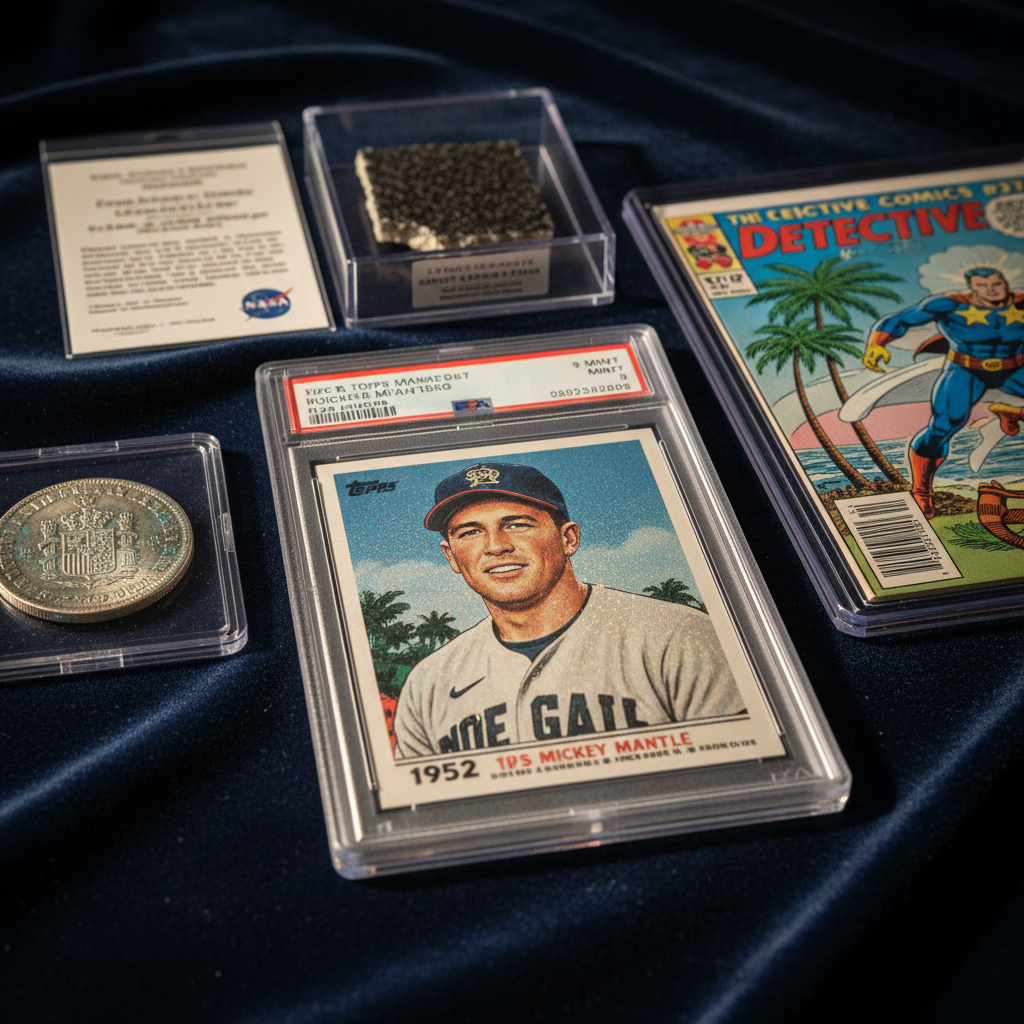
Spanish colonial reales recovered from Florida shipwrecks represent one of the more dramatic intersections of numismatics and maritime history. NGC and PCGS both carry dedicated shipwreck certification programs, and Florida-origin pieces — particularly those tied to the 1715 Plate Fleet disaster off the Treasure Coast — have posted strong results at Stack's Bowers in recent years. A certified Eight Reales from the 1715 fleet in NGC VF-30 can move anywhere from $4,000 to well over $20,000 depending on strike quality and provenance documentation.
Indigenous material is a more complicated category, and deliberately so. The Native American Graves Protection and Repatriation Act governs a significant portion of what can legally change hands, and serious dealers know the compliance landscape cold. That said, legally acquired Seminole textiles — particularly the intricate patchwork clothing traditions that developed in the late 19th and early 20th centuries — remain actively collected and undervalued relative to their cultural significance. Museum-quality Seminole patchwork jackets from the 1920s–1940s era have appeared at regional Florida auction houses in the $800–$3,500 range, a figure that feels low given the craft involved.
The Semiquincentennial Effect
America's 250th is shaping up to be a genuine market catalyst, not just a Hallmark moment. The Bicentennial in 1976 generated a documented surge in Americana collecting that took years to fully unwind — and that was before the internet compressed information cycles and gave regional markets national reach.
This time around, the institutional machinery is already moving. State historical societies across the South are mounting major exhibitions, and Florida's own museum infrastructure — from the Florida Museum of Natural History in Gainesville to the Lightner Museum in St. Augustine — is actively acquiring and spotlighting material that tells a more complete story of the state's pre-American past.
For dealers and collectors, that institutional momentum has real implications. When museums compete for material, private market prices follow. Florida-specific Americana — including early territorial-era documents, Seminole Wars memorabilia, and Spanish land grant papers — is worth a second look before the anniversary year drives prices to levels that make entry painful.
Civil War collectors already know this dynamic. Florida's role in the conflict is routinely underestimated outside the South, but the state supplied significant Confederate resources and saw meaningful engagements at Olustee and Natural Bridge. Authenticated Florida-unit Confederate relics carry premiums of 20–40% over comparable Virginia or Tennessee material simply because the population of surviving pieces is smaller and the regional collector base is fierce.
What the Market Is Watching
The most actionable angle heading into 2025 and 2026 isn't shipwreck coins or Seminole textiles — it's the broader category of Florida territorial and early statehood ephemera. Florida achieved statehood in 1845, and documents, maps, and printed material from the 1821–1845 territorial period are genuinely scarce. A hand-drawn survey map from that era with clear Florida provenance is the kind of piece that sits quietly in an estate sale box until someone who knows what they're looking at picks it up for three figures and sells it for four or five.
Lithographed Florida tourism posters from the 1920s–1950s Florida East Coast Railway era have been climbing steadily, with condition-grade examples in the $1,500–$6,000 range at auction. They're visually compelling, historically grounded, and still accessible enough that serious collectors aren't priced out — yet.
The 250th anniversary is a spotlight, not a ceiling. Florida's collectibles story is genuinely one of the richest in the country, and the market is only beginning to price that in.