Five consecutive weeks of gains. Then, almost overnight, the momentum evaporated. Gold's extended rally — one of the more convincing bullion runs in recent memory — ran headlong into a confluence of macro pressures last week, snapping its winning streak as energy markets lurched higher and the dollar reasserted itself.
The pullback isn't catastrophic. But for precious metals collectors and bullion investors who had grown comfortable with gold's upward trajectory, it's a timely reminder that even the most durable rallies carry expiration dates.
What Broke the Momentum
The proximate cause was a sharp rise in oil prices, driven by renewed geopolitical friction and tightening energy supply expectations. When energy costs spike, inflation narratives get complicated fast. Instead of the clean safe-haven story that had been propelling gold — where investors park capital in bullion to hedge against currency debasement — markets began pricing in a messier scenario: stagflation.
Stagflation is gold's paradox. In theory, persistent inflation should support bullion. In practice, stagflationary environments often see the dollar strengthen as central banks signal tighter policy, and a stronger dollar compresses gold prices denominated in USD. That's precisely the dynamic that materialized last week. The dollar index climbed, real yields ticked up, and gold gave back a portion of its recent gains.
For context, gold had been trading at multi-month highs heading into the pullback, with spot prices touching levels that had serious bullion dealers and coin market participants reassessing their inventory valuations. A retreat from those heights, while unwelcome for recent buyers, doesn't erase the structural case for the metal.
What This Means for the Physical Market
The coin and bullion collector market doesn't move in perfect lockstep with spot gold — but it doesn't ignore it either. When gold runs hard for five weeks, premiums on physical product compress as dealers chase inventory and buyers grow more price-sensitive. When spot pulls back, the dynamics shift: dealers who bought high face margin pressure, while patient buyers see an entry point.
American Gold Eagles, Canadian Maple Leafs, and South African Krugerrands — the workhorses of the retail bullion market — typically trade at premiums ranging from 3% to 8% over spot depending on denomination and market conditions. During the recent rally, those premiums were under pressure as demand outpaced supply at certain dealers. A spot correction, even a modest one, tends to normalize that spread.
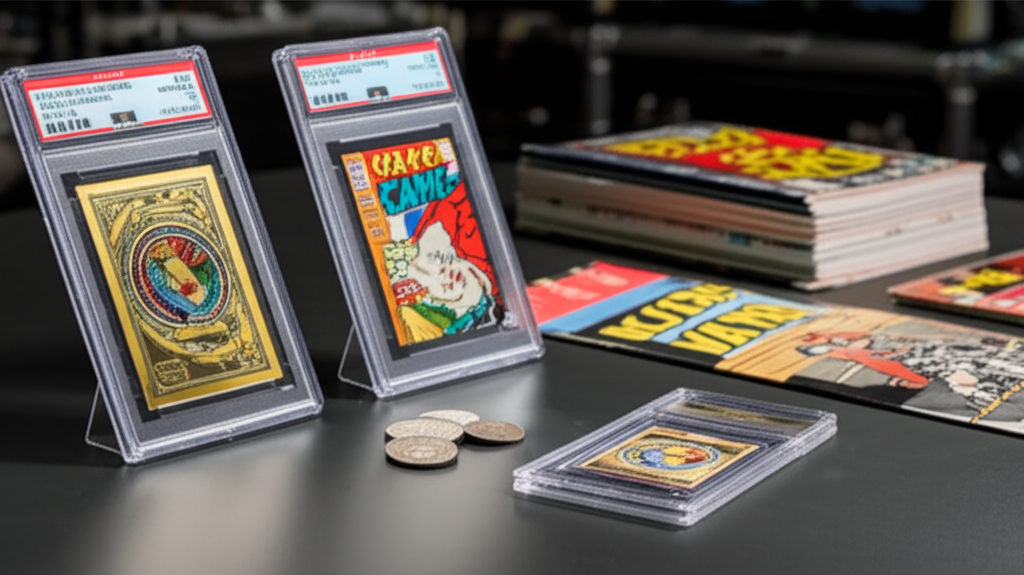
For numismatic gold — coins where collector premium sits on top of melt value — the calculus is different. A MS-65 Saint-Gaudens Double Eagle graded by PCGS or NGC carries value that extends well beyond its roughly 0.9675 troy ounces of gold content. The numismatic premium on key-date Saints, Liberty Head Double Eagles, and pre-1933 U.S. gold coinage provides a buffer against spot volatility. That buffer is one reason serious collectors tend to favor numismatic gold over bullion-grade material during uncertain macro periods.
Heritage Auctions and Stack's Bowers — the two dominant platforms for rare U.S. gold coinage — have both seen sustained bidder interest in certified pre-33 gold over the past 18 months, a period that overlapped with gold's broader macro resurgence. Whether that demand holds through a period of spot consolidation will be telling.
The Bigger Picture Hasn't Changed
One week of softness doesn't rewrite the thesis. The conditions that drove gold's five-week run — persistent inflation uncertainty, central bank accumulation, de-dollarization narratives, and geopolitical instability — haven't resolved. They've complicated. That's different from disappearing.
Central banks globally have been net buyers of gold for over a decade, and that structural demand doesn't evaporate because oil spiked or the dollar caught a bid for a few sessions. The World Gold Council has tracked consecutive years of record or near-record central bank purchases, and that institutional appetite underpins the floor beneath spot prices even when short-term sentiment turns.
For collectors sitting on graded gold coinage or raw bullion positions, the honest read is this: the rally paused, not reversed. Energy shocks are historically transient. Stagflation fears, while real, have a habit of moderating once supply chains adjust. Gold has absorbed far worse macro shocks and emerged with its long-term value proposition intact.
The five-week run was impressive. The pause is healthy. The question now is whether buyers treat this dip as a discount or a warning — and historically, the former camp has had the better of that argument.