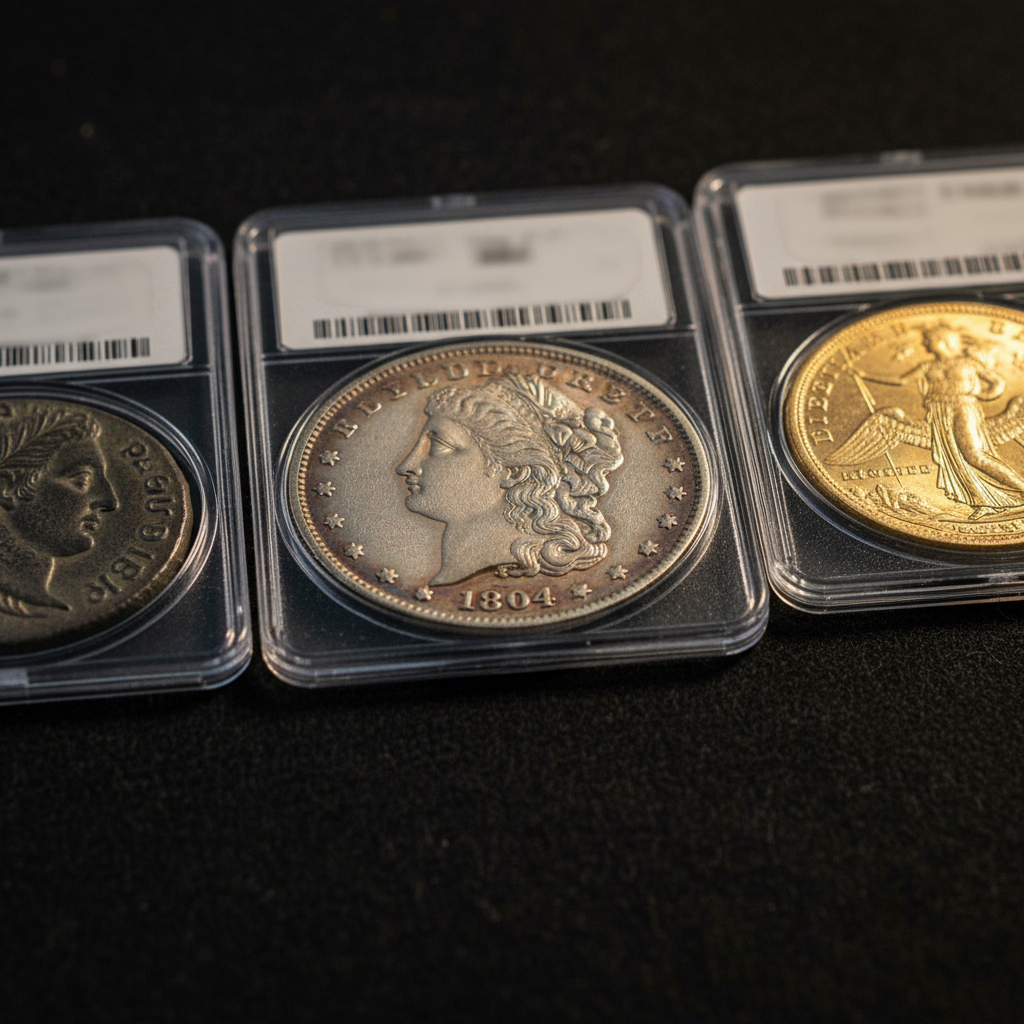
Veteran rare coin dealer John Brush has been named president of the Professional Numismatists Guild, stepping into the role at what may be the most consequential inflection point for the rare coin market in a generation. The hobby is younger, faster-moving, and more data-driven than the PNG has ever had to contend with — and Brush's tenure will be defined by how well the Guild adapts.
The PNG, founded in 1955, represents the upper tier of professional rare coin and currency dealers in the United States. Membership requires peer vetting, adherence to a strict code of ethics, and demonstrated expertise — standards that have historically made the organization a slow-moving but deeply credible institution. That credibility is now an asset in a market that desperately needs it.
A Market That No Longer Looks Like It Did Ten Years Ago
The rare coin market has undergone a structural shift. Younger collectors — many of them arriving through online communities, YouTube channels, and the broader alternative-assets conversation that exploded post-2020 — are driving volume in segments that traditional dealers once considered sleepy. Type coins, key-date Lincoln cents, early American copper: categories that used to move slowly at regional shows are now clearing six figures at Heritage Auctions and Stack's Bowers with bidder pools that skew noticeably younger than a decade ago.
The grading services have the numbers to prove it. PCGS and NGC — the two dominant third-party grading services for coins — have both reported submission volume increases in recent years, with NGC processing millions of coins annually across its global network. Population reports that once updated quarterly are now refreshed constantly, and collectors cross-reference them in real time during live auctions. The information asymmetry that used to favor established dealers has largely collapsed.
That's a double-edged development for the PNG. On one hand, a more informed collector base means higher standards and greater demand for the kind of ethical dealing the Guild has always promoted. On the other hand, younger buyers are less likely to default to institutional trust — they want transparency, accessibility, and digital engagement that traditional numismatic organizations have been slow to deliver.
What Brush Brings to the Table
Brush arrives with the credentials the PNG membership expects. A career spent in serious numismatics — handling significant rarities, navigating the auction ecosystem, building relationships with both institutional and individual collectors — gives him the standing to speak for the dealer community with authority. That matters internally. PNG presidents who lack the respect of the membership accomplish little.
But the external challenge is arguably more pressing. The rare coin market's new entrants are not walking the bourse floor at the ANA World's Fair of Money as their first point of contact with the hobby. They're watching registry set battles play out on social media, tracking PCGS CoinFacts price guides on their phones, and placing bids through Heritage's app. Reaching that audience — and converting them into long-term, ethically-engaged participants in the market — requires a different kind of institutional posture than the PNG has historically maintained.
There's also the matter of dealer succession. The PNG's membership skews older, and a meaningful portion of the country's most experienced rare coin dealers are within a decade of retirement. The institutional knowledge they carry — about provenance, about market history, about the difference between a problem coin and a genuine rarity — doesn't transfer automatically to the next generation. Building pipelines for younger dealers to enter the Guild and eventually lead it is as urgent a priority as any market-facing initiative.
The Stakes for the Broader Numismatic Ecosystem
Rare coins occupy an unusual position in the collectibles landscape. Unlike trading cards or vintage sneakers, they carry legal tender status, centuries of documented history, and a grading infrastructure that predates the modern third-party certification era by decades. That heritage is a selling point — but it can also calcify into insularity if the organizations that steward the market don't evolve.
The comparison to other collectibles categories is instructive. The trading card market's explosive growth between 2020 and 2022 was fueled almost entirely by new, younger participants — and the infrastructure scrambled to keep up, with PSA temporarily halting submissions and grading backlogs stretching into years. Rare coins avoided that particular chaos, but they also didn't fully capture the cultural moment. A more proactive PNG could change that calculus going forward.
Brush's presidency begins with genuine tailwinds: a market that is growing, a collector base that is diversifying, and a grading infrastructure that, whatever its imperfections, provides the kind of standardized authentication that serious money requires. Whether the PNG under his leadership becomes a genuine force in shaping the hobby's next chapter — or remains a credentialing body that the market politely works around — is the question his tenure will answer.