Brick-and-mortar antique and gift shops have been quietly staging a comeback, and Mike's Gifts LLC represents exactly the kind of hybrid retail model that's finding traction in a market where collectors increasingly want to touch before they buy.
The shop operates across two online storefronts and a physical location, stocking an eclectic mix that spans gifts, crafts, and antiques — with floor space shared between house inventory and local vendor booths. That vendor model is worth understanding: it's the same consignment-adjacent structure that powers flea market giants and antique malls from Brimfield to Round Top, applied at a smaller, more curated scale.
Why the Multi-Channel Model Matters Right Now
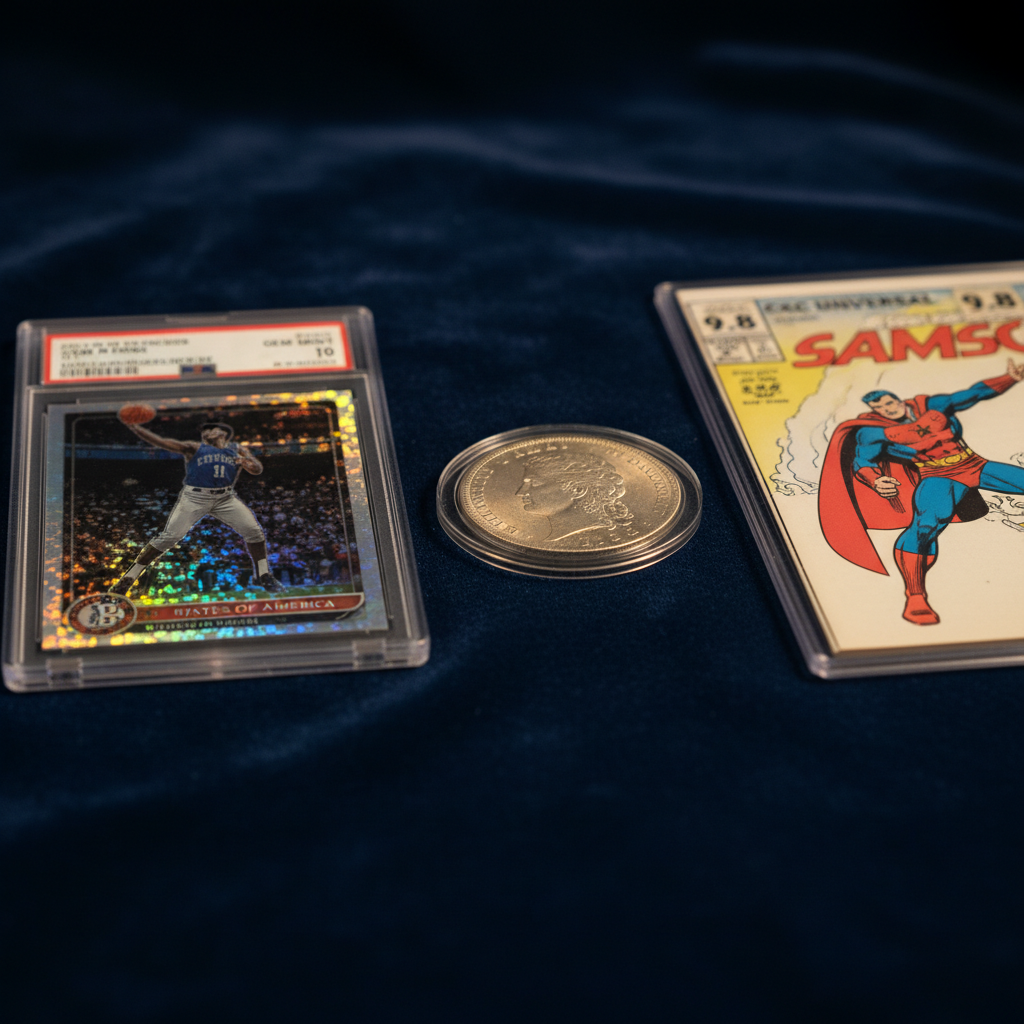
The collectibles market has spent the last five years bifurcating hard. On one end, you have the graded, slabbed, auction-house ecosystem — Heritage moving $1.4 billion in collectibles annually, PSA processing millions of submissions per year. On the other end, there's the ungraded, tactile, walk-in world of antique shops and vendor malls, where a $40 piece of Depression glass or a vintage cast-iron doorstop doesn't need a population report to find a buyer.
Mike's Gifts LLC lives firmly in that second world — and that world is not dying. It's adapting. The dual online presence signals an operator who understands that foot traffic alone doesn't sustain a retail collectibles business in 2024. Shoppers discover on Instagram or Etsy, then drive in. Or they buy online and never visit at all. Running both channels simultaneously is operationally demanding, but it's the only model with real staying power for small independent dealers.
Local vendor booths add another layer. Rather than carrying all the inventory risk themselves, shops like this effectively become a marketplace — taking a percentage of vendor sales in exchange for space, traffic, and shared overhead. It's a model that keeps selection deep and eclectic without requiring the owner to be an expert in every category on the floor.
The Antique Shop as Discovery Engine
For serious collectors, shops like Mike's occupy a specific and underappreciated role in the ecosystem. This is where raw, ungraded material surfaces before it hits eBay or a major auction house. A 1940s advertising tin, a box of unsorted postcards, a tray of estate jewelry — none of it has been comped, none of it has been submitted to NGC or PSA. The pricing is intuitive, not algorithmic.
That gap between intuitive pricing and market value is exactly where knowledgeable collectors make money. Dealers who work the antique mall circuit consistently find material that, once properly identified and graded, returns multiples on acquisition cost. A coin pulled from a general antique shop's glass case for $25 can come back from PCGS as a MS-64 worth several hundred. A vintage sports card in a miscellaneous lot can grade out as a PSA 7 with real secondary market value.
None of that is guaranteed, obviously. Most of what's in any antique shop is exactly what it appears to be — decorative, modestly valuable, priced accordingly. But the discovery potential is real, and it keeps serious collectors walking through doors that purely online-focused buyers never open.
Small Dealers, Local Vendors, and the Long Tail of Collecting
The vendor booth model also creates something algorithmically curated platforms can't replicate: genuine regional character. A vendor booth in a Midwest antique mall reflects what estate sales in that ZIP code are producing. That's different from what's surfacing in New England or the Pacific Northwest. Collectors who travel the circuit know this — certain categories cluster geographically, and local shops are often the first point of sale before material disperses nationally.
Mike's Gifts LLC isn't moving the needle on auction records or grading population reports. But it represents the foundational layer of the collectibles market — the point of first contact between old objects and new owners. The major auction houses need that layer to function. Without shops, malls, and estate sales feeding material into the pipeline, the high end of the market would starve.
For collectors who've spent years chasing graded slabs on eBay, a Saturday morning in a well-stocked antique shop with local vendor booths is still one of the highest-return hours you can spend.