Most people spend their pocket change without a second glance. That's a mistake. Circulating U.S. coinage still hides legitimate numismatic value for collectors patient enough to look — and in some cases, a single roll of quarters can yield a coin worth multiples of its face value on the secondary market.
Coin roll hunting, the practice of purchasing rolls of circulating coinage directly from banks and sorting through them, has become one of the more accessible entry points into serious numismatics. The overhead is minimal. The upside, while rarely dramatic, is real.
The Coins Actually Worth Hunting
Not all circulation finds are created equal. A few categories consistently produce returns above face value, and knowing the difference between a coin worth submitting to PCGS or NGC and one worth spending at a vending machine is the entire skill set.
Roosevelt Dimes (1946–1964) remain among the most commonly found silver coins in circulation. These are 90% silver, and at current spot prices hovering around $31 per troy ounce, even a heavily worn example carries melt value near $2.00 — twenty times face value. A high-grade example, say MS-65 or better, can fetch $15 to $50 depending on date and mint mark, with key dates like the 1949-S commanding premiums well above that in certified holders.
Washington Quarters (1932–1964) follow the same silver logic. The 1932-D and 1932-S are the headline dates — NGC and PCGS population reports show relatively few examples in grades above VF-30, and circulated examples of the 1932-D regularly sell in the $100–$200 range at Heritage Auctions depending on eye appeal. Finding one in a bank roll is unlikely but not impossible.
State Quarters and America the Beautiful Quarters occasionally surface with striking errors — doubled dies, off-center strikes, and wrong planchet errors among them. A 2004-D Wisconsin Quarter with the extra leaf variety (either high or low) is the canonical modern example; certified specimens in MS-65 have traded at $200 to $300 through PCGS-authorized dealers and auction platforms like Goldin and Stack's Bowers.
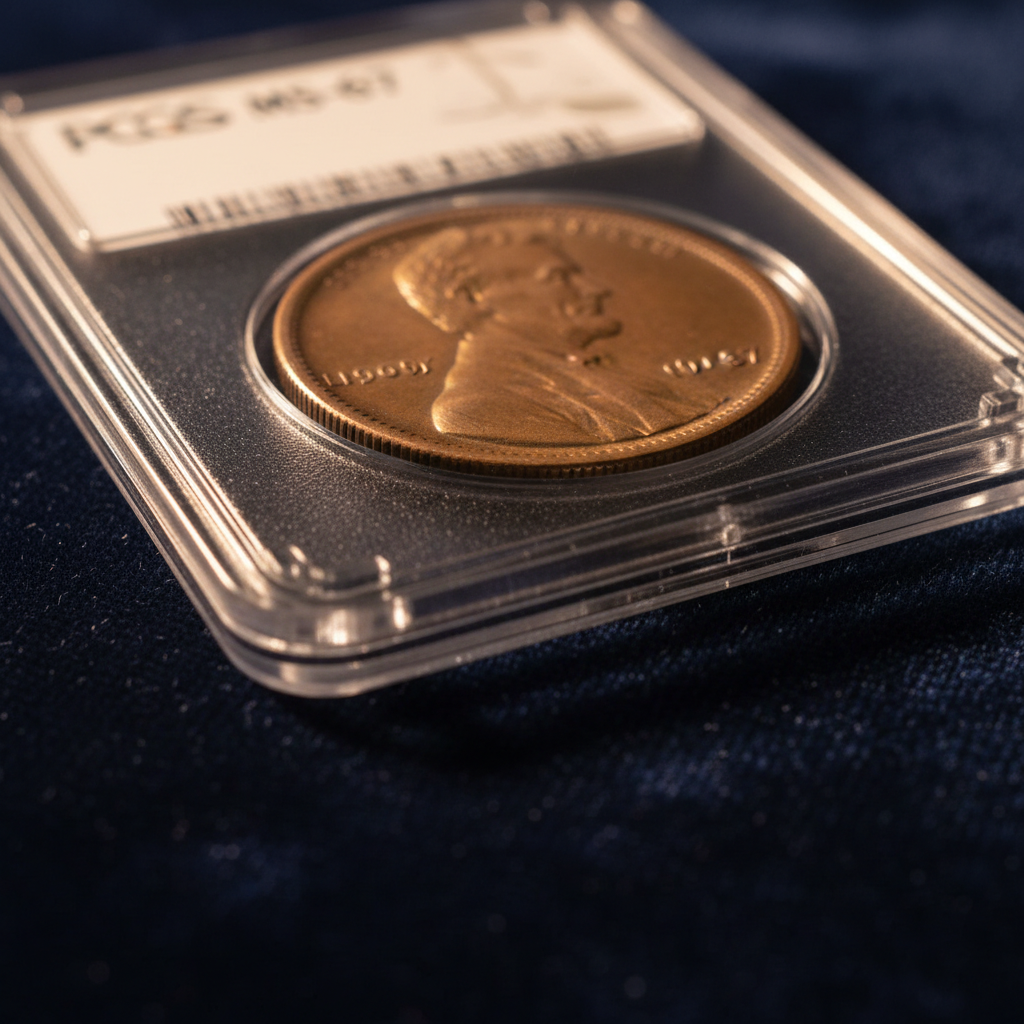
Lincoln cents deserve their own mention. The 1955 Doubled Die Obverse is the white whale of Lincoln cent hunting — dramatically doubled lettering visible to the naked eye, with VF examples regularly clearing $1,000 and gem uncirculated examples graded MS-65 Red by PCGS reaching $15,000 or more at major auctions. The odds of finding one in circulation are long, but they do still surface.
Grading Changes Everything
Here's where most casual finders leave money on the table. A circulated 1969-S Lincoln cent with a doubled die obverse — one of the most significant Lincoln varieties of the 20th century — is worth dramatically different amounts depending on grade. A problem-free example in VF-20 might bring $25,000. The same coin in MS-64 Red has cleared $126,500 at Heritage. Submitting to the wrong service, or failing to submit at all, is a costly error.
PCGS and NGC both offer variety attribution through their standard grading submissions, and for anything with a potential error or variety, the authentication alone justifies the fee. A raw coin with a claimed doubled die is worth a fraction of a certified one — dealers discount heavily for unverified attributions, and rightfully so.
The economics of coin roll hunting are also worth understanding clearly. Most rolls yield nothing above face value. Silver finds are increasingly rare as pre-1965 coinage has been systematically pulled from circulation over decades. The genuine thrill of the hobby isn't the average return — it's the asymmetry. A $25 box of half dollars from a bank costs exactly that. The upside, however remote, is a 1970-D Kennedy Half or a silver Franklin that transforms the entire exercise.
Where the Real Opportunity Sits
The smartest play in circulation hunting right now isn't chasing silver — it's error coins. Modern Mint errors have become a legitimate collecting category, with the PCGS CoinFacts database documenting hundreds of varieties across current production. A 2000-P Sacagawea Dollar / Washington Quarter mule — struck on the wrong planchet — is one of the most dramatic modern errors ever produced, with fewer than 20 known examples; a PCGS MS-65 specimen sold at Stack's Bowers for over $144,000.
You won't find that in a bank roll. But you might find a doubled die Lincoln cent, a repunched mint mark, or an off-center strike worth $50 to $500 with the right attribution. That's the realistic range — and for a hobby funded entirely by face value coinage, it's a legitimate return.
Pocket change has always been the entry point into numismatics. The collectors who treat it seriously — who know their varieties, carry a loupe, and understand when to submit — are the ones who occasionally turn a dime into a discovery.