The most expensive Pokémon card in a deck is almost never the best one. That disconnect — between collectible premium and competitive utility — is the defining feature of the modern Pokémon TCG secondary market, and savvy players have been exploiting it for years. March 2025 is no different, and the spread between Special Illustration Rares and their functional equivalents has never been more dramatic.
Take Umbreon ex as the clearest case study. The Special Illustration Rare (161) from Scarlet & Violet regularly trades between $80 and $120 on the secondary market, driven entirely by collector demand for the alternate artwork. The Double Rare (060) version — mechanically identical, same HP, same attacks, same tournament legality — can be picked up for under $8. That's a 93% price gap for zero competitive difference.
The Art Premium Is Real, and It's Massive
This isn't a new phenomenon, but the scale has grown considerably since the hobby's pandemic-era explosion. When Pokémon Company International leaned hard into premium illustration tiers — Full Arts, Rainbow Rares, Special Illustration Rares, Hyper Rares — it created a tiered collectible market layered directly on top of a competitive game. Collectors chasing the art drove secondary market prices on premium prints to heights that have nothing to do with a card's win rate.
The downstream effect is real: base set versions of chase cards get flooded onto the market as collectors crack packs hunting the SIR, then offload the functional duplicates they pulled along the way. Supply spikes. Prices crater. The competitive player wins.
This dynamic plays out across the current meta. Cards that anchor top-tier tournament lists are often sitting at $3–$10 in their standard print versions, even as their alternate-art counterparts command multiples of that. For a player building a full 60-card competitive deck, the savings can easily exceed $150–$200 compared to a fully pimped-out version of the same list.
How to Build Smart in March 2025
The strategy is straightforward. Before purchasing any card for a competitive build, check the full print run. If a card has a Double Rare, Rare, or standard Holo version, that's your target. The only exception: cards where the premium print is also the only print, which is increasingly rare in modern sets.
Beyond Umbreon ex, the same logic applies across the current format's staples. Support Pokémon, Energy acceleration tools, and draw engines that appear in multiple rarity tiers are almost always cheaper in their base versions than casual buyers expect. The market is liquid enough that these cards are easy to source — TCGPlayer, eBay, and local game store singles bins are all reliable channels, and competition between sellers keeps prices honest.
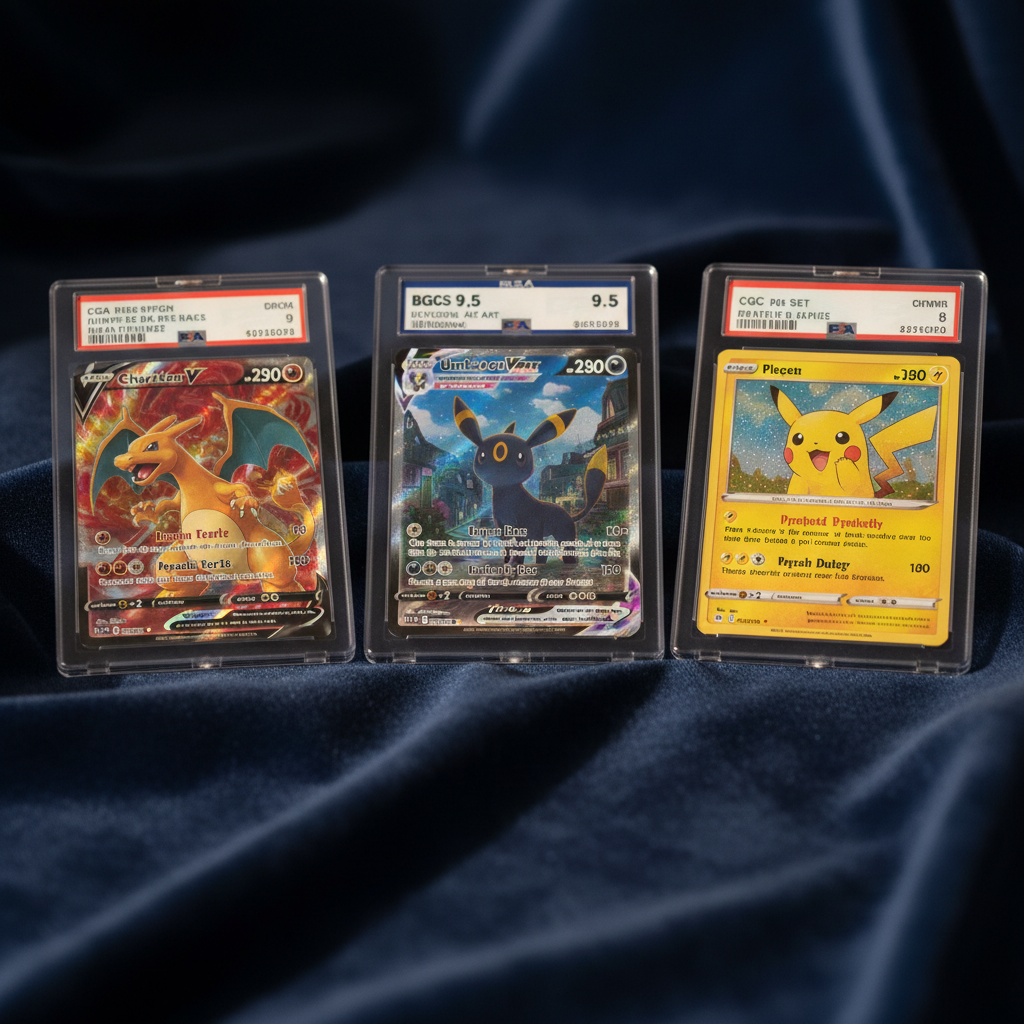
Graded copies are a different conversation entirely. A PSA 10 Umbreon ex SIR is a collectible asset with its own market logic — population reports, comp sales, long-term appreciation potential. That's a legitimate investment thesis. But nobody is sleeving a graded card into a tournament deck, and conflating the two markets is how players end up dramatically overpaying for cardboard they're about to shuffle 200 times.
The broader point is this: Pokémon TCG has quietly become one of the most accessible competitive card games to build for on a budget, precisely because its collector market is so robust. The same forces inflating SIR prices are suppressing standard print prices. That's not a flaw in the system — for competitive players, it's a feature.
March's meta isn't cheap to play at the highest level, but it's a lot cheaper than the booster pack odds would have you believe.