The Pokémon TCG secondary market doesn't pause for sentiment. The week of May 4, 2026 is drawing a hard line between cards that have adapted to Standard's relentless HP arms race and those that haven't — and the price action is making that division impossible to ignore.
Four cards are running hot. One is cooling fast. Here's what the market is telling us.
The Cards Collectors Are Chasing
Lillie's Clefairy ex (Journey Together #184) leads the hot list, and it's not hard to see why. The card has threaded the needle between competitive viability and collector appeal — a combination that reliably drives secondary market premiums. Raw copies have been moving with consistency, and graded examples are attracting meaningful attention from players and speculators alike. When a card earns traction in both communities simultaneously, price floors tend to hold even when broader market sentiment softens.
The broader pattern driving this week's winners is structural, not speculative. Standard format's ongoing HP inflation has effectively culled a generation of attackers and support cards that looked viable just two rotations ago. The cards surviving that pressure — or better yet, exploiting it — are the ones commanding premiums right now. This isn't a hype cycle. It's a format-driven revaluation, and those tend to be stickier than influencer-driven spikes.
Collectors who have been tracking the Journey Together set since its release will recognize that the set's top-end cards have shown unusual resilience compared to recent expansions. The combination of limited competitive staples and strong pull rates on desirable alt-arts has kept sealed product moving at a pace that most 2025 releases couldn't sustain past their third week on shelves.
The Correction Nobody Should Be Surprised By
The cold side of this week's list tells a familiar story. Post-rotation chill is real, and it arrives on schedule every time the format shifts. One notable card has shed meaningful value over the past seven days — not because the card is bad, but because the metagame it was built for no longer exists in competitive play.
This is the market dynamic that separates disciplined collectors from reactive ones. Rotation risk is priced into every Standard-legal card the moment it's printed; the question is whether buyers are accounting for it. Cards that spike on competitive demand and then lose format relevance can retrace 40–60% of their peak value within a single quarter. The collectors who get hurt are the ones who buy at the top of a tournament spike without a clear exit thesis.
The correction this week appears measured rather than catastrophic — a healthy bleed rather than a collapse. That distinction matters. A controlled correction on a card with genuine collector appeal often stabilizes into a long-term floor. A collapse, by contrast, tends to signal that the card's value was almost entirely format-dependent, with little underlying demand from set collectors or PC builders to absorb the sell pressure.
Reading the Broader Market Signal
Zoom out from the individual cards and the week of May 4 is telling a coherent story: the Pokémon TCG secondary market in 2026 is increasingly bifurcated. On one side, cards with dual appeal — competitive utility and collector desirability — are holding value and, in some cases, appreciating steadily. On the other, pure meta picks are cycling through boom-bust patterns that are compressing in duration.
That compression is significant. In 2021 and 2022, a competitive staple might hold its peak price for several months before rotation pressure set in. The current market is moving faster. Tournament results propagate instantly, format analysis saturates social channels within 48 hours of a major event, and secondary market platforms adjust pricing in near real-time. The window between a card's peak competitive relevance and its price correction has narrowed considerably.
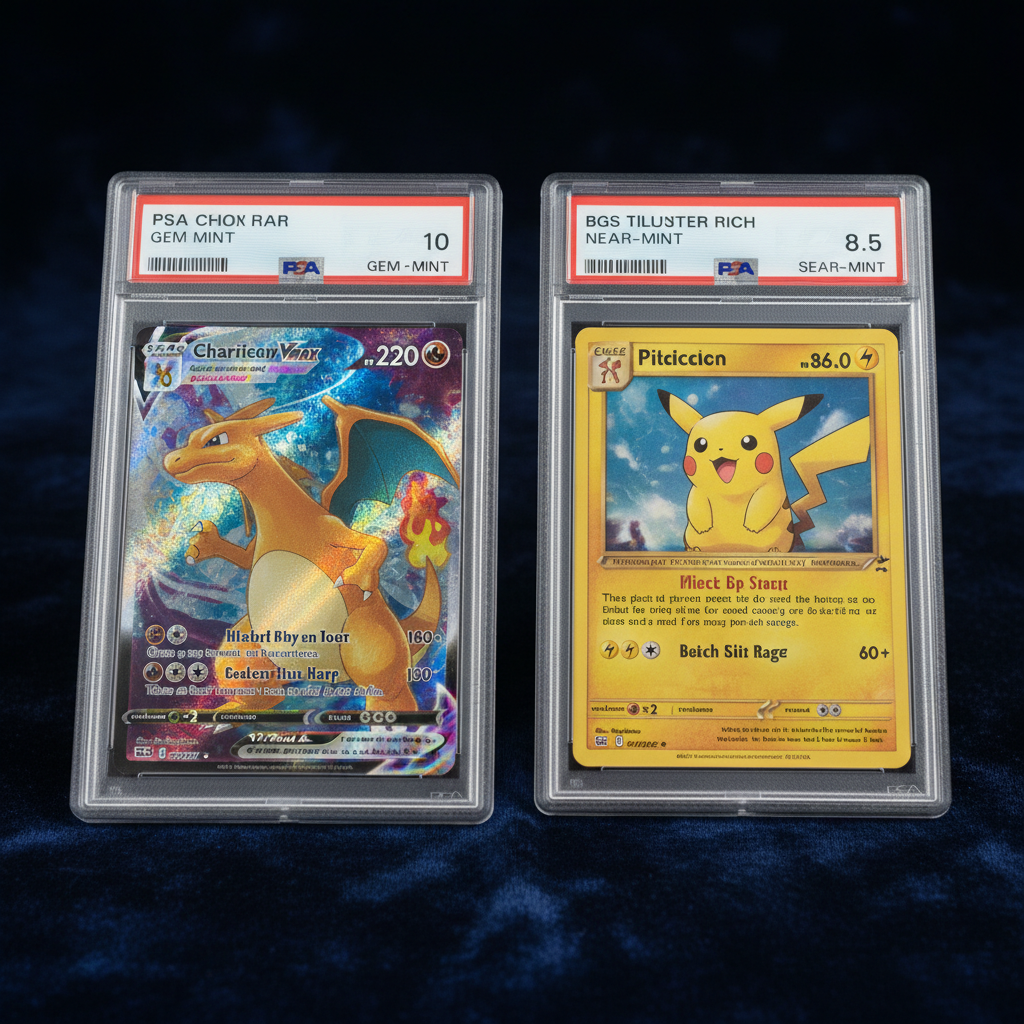
For graded card investors, this environment favors alt-arts, full-arts, and special illustration rares — cards whose value is anchored in aesthetics and scarcity rather than format legality. PSA 10 and BGS 10 Black Label copies of the Journey Together set's chase cards have shown the kind of price stability that competitive staples simply can't match across a rotation cycle.
The market isn't broken. It's just moving faster than a lot of participants are used to — and the collectors positioned to profit are the ones who figured that out before this week's list confirmed it.