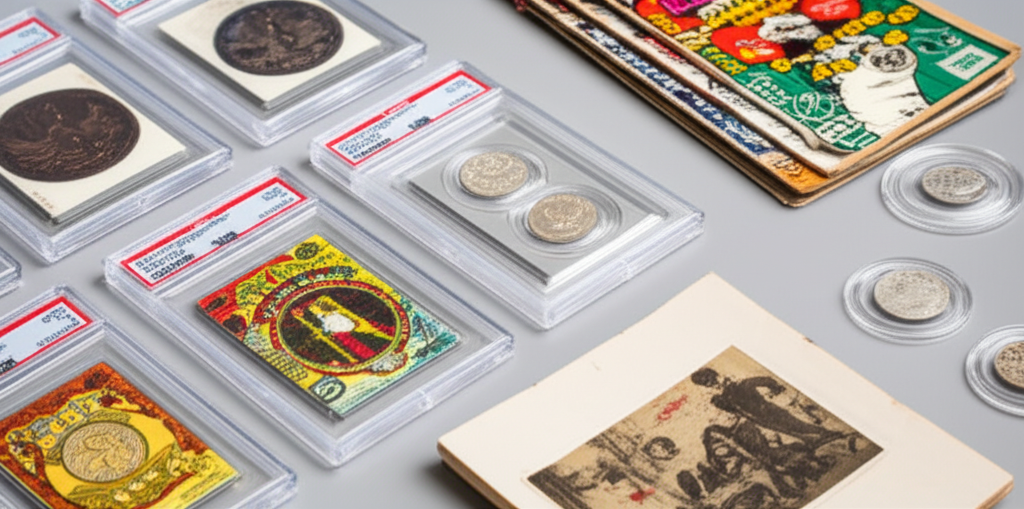
In a story that reads like something out of a collector's dream, a privately inherited collection of old prints has been revealed to contain authentic etchings by Rembrandt van Rijn, one of the most celebrated masters in the history of Western art. The works are now on public display, offering art lovers and collectors a rare opportunity to witness history up close.
From Dusty Inheritance to Museum Display
The collection, passed down through a family over generations, was initially thought to consist of decorative prints of modest value. However, upon closer examination by art historians and authentication specialists, several pieces were identified as genuine Rembrandt etchings — a discovery that has sent shockwaves through both the fine art and collectibles communities.
Rembrandt's etchings are among the most sought-after works in printmaking history, known for their extraordinary detail, emotional depth, and technical mastery. Finding authenticated examples outside of major institutional collections is an exceptionally rare event.
Why This Discovery Matters to Collectors
For the broader collectibles market, this find serves as a powerful reminder of the hidden value that can lie within inherited estates and private collections. Key takeaways for collectors include:
- Professional appraisal is essential — even items assumed to be of low value can conceal extraordinary worth.
- Provenance research can dramatically impact both authenticity verification and market valuation.
- Fine art prints, particularly from Old Masters, represent a historically resilient investment category.
- Museum exhibitions of rediscovered works often spark renewed collector interest and market activity.
The Art Authentication Process
Authenticating works by a master like Rembrandt involves a rigorous multi-step process, including stylistic analysis, paper dating, ink composition testing, and provenance documentation. Experts from leading institutions typically collaborate to reach a consensus before any public announcement is made. This level of scrutiny ensures that the market is not flooded with misattributed works, protecting both buyers and the integrity of the art world.
What's Next for the Collection?
The etchings are currently on exhibit, drawing significant public and scholarly attention. Discussions regarding long-term placement — whether through museum acquisition, private sale, or auction — are reportedly ongoing. Auction houses specializing in Old Master prints are likely watching closely, as authenticated Rembrandt etchings routinely command prices well into the six and seven figures at major sales.
For collectors and enthusiasts, this story is a compelling case for never underestimating an inherited collection. The next masterpiece could be sitting in an attic, waiting to be discovered.