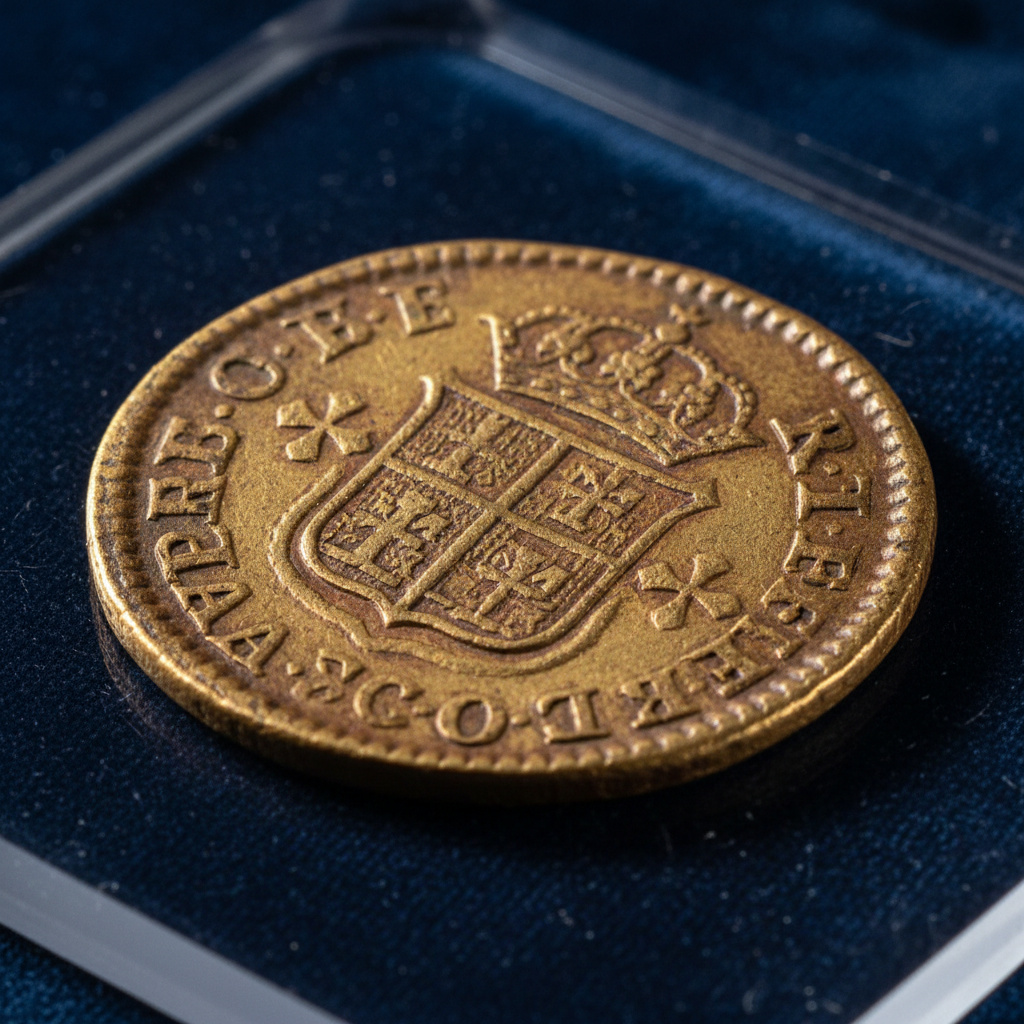
Two suspects walked onto the bourse floor at the Central States Numismatic Society convention in Schaumburg, Illinois on April 24, 2026, attempting to sell a stolen 1715 Treasure Fleet gold coin. They didn't make it far. Five dealers and a specialist collector identified the piece, coordinated on the spot, and the coin was recovered before it changed hands.
That's the story in its bones. But the mechanics of how it unfolded — and what it says about the numismatic community's capacity for self-policing — deserve a closer look.
What the 1715 Fleet Actually Means to the Market
The 1715 Treasure Fleet isn't just a historical footnote. On July 31, 1715, eleven Spanish ships carrying silver and gold from the New World were destroyed by a hurricane off the coast of Florida. The wreck sites weren't seriously excavated until the 1960s, and coins recovered from the fleet have commanded serious premiums ever since — not just for their numismatic merit, but for their documented provenance as genuine shipwreck survivals.
Fleet gold, particularly escudos struck at the Mexico City or Lima mints, routinely clears five figures at auction even in circulated or corroded condition. Exceptional examples — high-denomination pieces with strong strikes and clean surfaces — have pushed into six figures. Heritage Auctions and Stack's Bowers have both handled significant Fleet material over the years, and the category draws a dedicated collector base willing to pay for authenticated provenance documentation.
That provenance documentation is also what makes Fleet coins a recurring target for theft. A coin that can be traced to a specific wreck, with a paper trail connecting it to a licensed salvage operation, is a known quantity. Thieves understand that, and so do the dealers who work this market.
How the Recovery Happened
The details emerging from CSNS paint a picture of exactly the kind of informal but effective dealer network that makes major conventions both the most dangerous and most self-correcting venues for stolen material. The two suspects approached dealers on the floor looking to sell. What they apparently didn't account for was how tightly the specialist community tracks notable pieces — particularly documented Fleet coins with known ownership histories.
At least one of the five dealers who intervened was familiar enough with the specific coin to recognize it. From there, the response was coordinated quickly enough to prevent a sale and facilitate recovery. A specialist collector was also involved in the identification process, which tracks — serious collectors in niche categories often carry knowledge of specific pieces that even experienced generalist dealers don't have.
Convention floors are, paradoxically, among the worst places to move stolen numismatic material. The density of expertise per square foot at a show like CSNS is extraordinary. Dealers talk. Word travels fast. And the community has a strong financial incentive to police its own market — a reputation for being an easy laundering venue would be catastrophic for auction premiums and dealer relationships alike.
The Broader Security Picture for Rare Coins
Coin theft isn't new, but the sophistication of recovery efforts has improved considerably. The Numismatic Crime Information Center (NCIC) maintains databases of stolen coins and works with law enforcement to track and recover pieces. Graded coins — those encapsulated by PCGS or NGC — carry certification numbers that can be flagged, making them significantly harder to sell through legitimate channels once reported stolen.
Raw coins, including most shipwreck material, present a harder problem. Fleet gold typically isn't submitted for third-party grading in the traditional sense — the coins are often too irregular, too encrusted, or too historically significant to benefit from standard encapsulation. Authentication and provenance documentation from the salvage companies, primarily 1715 Fleet — Queens Jewels LLC, serves as the primary paper trail. That documentation is what makes these coins traceable, and almost certainly what enabled the identification at CSNS.
The suspects' decision to bring the coin to a major numismatic convention — rather than attempting to sell it privately or internationally — suggests either a significant miscalculation or a surprising lack of familiarity with how the coin market actually operates. Either way, it worked out about as badly for them as it possibly could have.
The coin is back where it belongs. The market did what markets do when the participants have enough skin in the game to care.