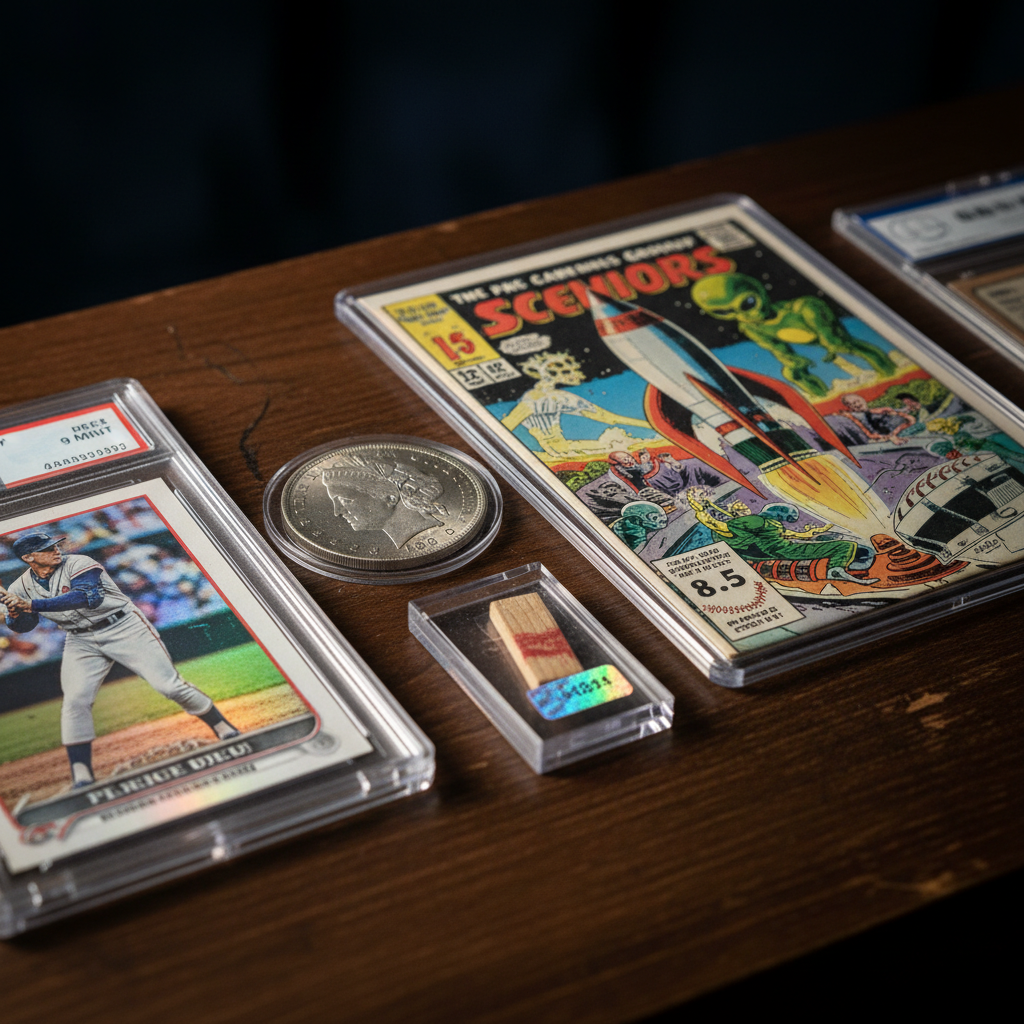
Tucked along US Route 1 in York, Maine, York Corner Mercantile operates as one of coastal New England's more quietly serious destinations for vintage hunters and antique dealers alike. Two floors. More than 40 active vendors. A mix of estate-sourced vintage goods and locally crafted pieces that reflects the particular character of the southern Maine antiques corridor — unpretentious, eclectic, and occasionally remarkable.
The shop sits at 484 US Route 1, a stretch of highway that has functioned as an informal antiques trail for decades. York itself is one of the oldest chartered cities in the United States, incorporated in 1641, and that historical depth has a way of surfacing in the inventory of shops like this one. You're not browsing mass-produced reproductions. You're moving through layers of regional estate material, craft traditions, and the kind of accumulated domestic history that doesn't survive in markets further south.
The Multi-Vendor Model and What It Means for Buyers
The multi-vendor collective format is worth understanding if you haven't navigated one before. Unlike a single-proprietor antique shop where one buyer's taste defines the entire floor, a 40-plus vendor operation creates something closer to a curated flea market with permanent booths. Each vendor brings their own specialty, their own sourcing network, and their own pricing logic.
That structure has real implications for serious collectors. On any given visit, you might find a booth focused on Victorian-era smalls sitting twenty feet from a vendor specializing in mid-century American studio pottery — and another around the corner dealing in vintage New England textiles. The range is the point. Experienced pickers know that multi-vendor shops on active Route 1 corridors turn inventory regularly, particularly in the shoulder seasons when estate sales across York County generate fresh material.
The locally-made goods component adds another dimension. Regional craft work — particularly functional ceramics, hand-forged ironwork, and textile pieces — has seen sustained collector interest as the broader market for American craft objects has matured. What was once considered decorative filler in a booth is increasingly treated as a collectible category in its own right, with documented makers commanding meaningful premiums at regional auction.
Southern Maine's Antiques Market: Underrated and Active
The Route 1 corridor from Kittery to Portland doesn't get the national press that Brimfield commands, but it functions as a year-round pipeline for serious material. Proximity to Boston — roughly 75 miles south — means the region has historically absorbed significant estate content from Massachusetts families with summer homes in York County. That pipeline shows up in the inventory: Federal-period furniture, 19th-century maritime objects, early American glass, and New England folk art all circulate through shops along this stretch with regularity.
York Corner Mercantile's position in historic York village puts it at a natural collection point for that material. The town's age means its estates run deep. And unlike the more tourist-facing shops in Ogunquit or Kennebunkport, a Route 1 collective with 40-plus vendors is structured to serve buyers, not just browsers.
For collectors working the New England circuit, the calculus here is straightforward. Multi-vendor shops of this scale require multiple visits — inventory rotates, vendors restock, and the booths that looked thin in April can be loaded by June. The serious finds in operations like this rarely announce themselves. They're priced by generalist vendors who sourced them from estates, not by specialists who know the category depth. That gap between generalist pricing and specialist value is exactly where patient collectors build collections.
York Corner Mercantile is open to the public at 484 US Route 1, York, ME. Given the vendor-collective format, calling ahead to confirm hours before making a dedicated trip is always advisable.